Google DeepMind giới thiệu Gemini 4 NeonGoogle DeepMind introduces Gemini 4 Neon
Mẹo: Dùng Microsoft Edge để nghe giọng đọc tiếng Việt tự nhiên hơn (HoaiMy, NamMinh).Tip: Use Microsoft Edge for more natural Vietnamese read-aloud voices (HoaiMy, NamMinh).
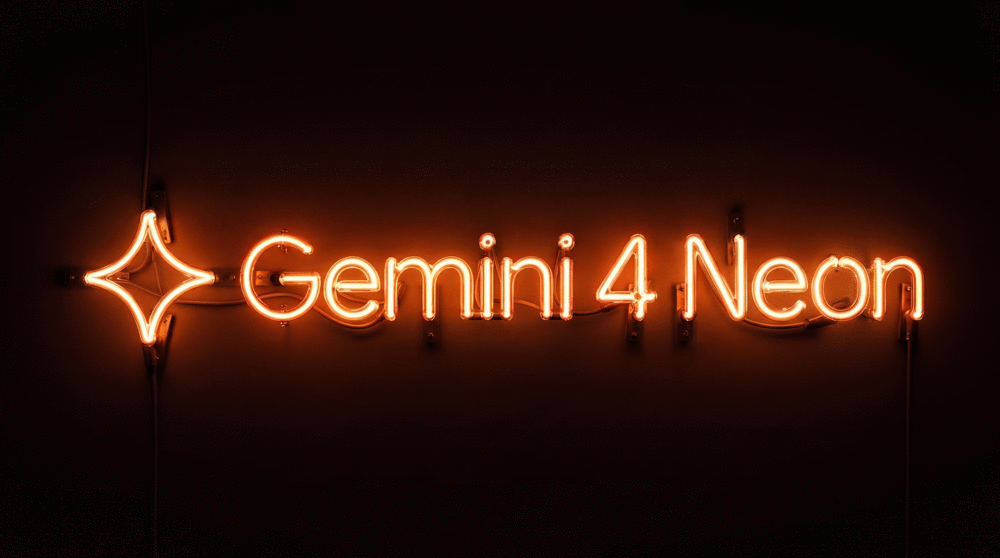
Google DeepMind công bố Gemini 4 Neon, một mô hình mới, qua bài đăng trên blog chính thức ngày 18/11/2026.Google DeepMind announced Gemini 4 Neon, a new model, in a post on its official blog on November 18, 2026.
Gemini 4 Neon ra mắt ở vị trí thứ 3 toàn cục trên Artificial Analysis Intelligence Index, chỉ xếp sau các mô hình lớn hơn và chậm hơn. Thông điệp chính người đọc cần mang về là DeepMind muốn trí tuệ cấp frontier phải đi cùng tốc độ hoàn thành tác vụ từ đầu đến cuối, không chỉ tối đa hóa năng lực thô. Mô hình đã có sẵn để bắt đầu xây dựng ngay từ ngày công bố.
Điểm mới
Điểm khác biệt trong cách định vị Neon nằm ở phạm vi công việc mô hình được thiết kế để xử lý trọn vẹn. Bài đăng nhấn mạnh ba nhóm workflow phức tạp: kỹ thuật phần mềm, công việc tri thức và khoa học, đồng thời đặt mô hình vào môi trường doanh nghiệp, phân tích và nghiên cứu thay vì chỉ trình diễn năng lực chung của một chatbot trả lời từng câu đơn lẻ.
"Bringing frontier-level intelligence with fast end-to-end task completion across complex software engineering, knowledge work, and science workflows."
Trong phần mềm, trọng tâm được nêu đích danh là production-ready code — mã sẵn sàng cho sản xuất — cùng workflow cấp production đòi hỏi hiệu quả và khả năng kiểm soát. Với phân tích và khoa học, bài đăng dành một hướng riêng cho phân tích sâu hơn, cho thấy đầu ra được kỳ vọng đi xa hơn tóm tắt hay trả lời bề mặt.
Hai hướng còn lại mở sang vận hành thực tế: phòng thủ an ninh mạng ở cấp frontier nhưng nhanh và chi phí thấp, và khả năng thực thi an toàn, đáng tin cậy được tách thành một mục riêng trong bài công bố. Cách tách mục này tự nó là một tín hiệu: độ tin cậy khi thực thi được trình bày như một năng lực sản phẩm, không phải cam kết phụ.
Thông số nổi bật
| Thang đo / thuộc tính | Kết quả của Gemini 4 Neon | Ghi chú |
|---|---|---|
| Artificial Analysis Intelligence Index | 61 điểm — hạng 3 toàn cục | Đo ở mức suy luận xhigh |
| Vals Index | Hạng 2 | Nằm trên Pareto frontier |
| Agent Arena Index — khả năng điều hướng | Hạng 2 | Chỉ số mới về steerability |
| Mức độ bịa đặt (fabrication) | Thấp nhất DeepMind từng ghi nhận | Nguồn không nêu tỷ lệ cụ thể |
| Vị trí tương đối | Xếp trên các mô hình tương đương | Chỉ sau các mô hình lớn hơn, chậm hơn trên Intelligence Index |
Con số cần đọc đúng ngữ cảnh là xhigh: điểm trong bảng gắn với mức thinking đó, không phải một cấu hình mặc định được mô tả chung chung. Việc nằm trên Pareto frontier ở Vals Index cũng khác một thứ hạng thông thường — nó đặt Neon vào nhóm cân bằng hiệu quả theo cách trình bày của DeepMind, thay vì chỉ chạy đua điểm tuyệt đối. Ngược lại, nguồn chưa công bố kích thước mô hình, độ dài ngữ cảnh hay tốc độ token, nên không thể suy diễn các thông số đó từ thứ hạng.
Khác gì bản trước
Khác biệt được mô tả rõ nhất không nằm ở phần cứng, mà ở cách mô hình làm việc cùng người dùng khi nhiệm vụ đang diễn ra. Neon được đánh giá cao ở tuân thủ chỉ dẫn nhiều bước và khả năng steerability — thích ứng gọn gàng với sửa đổi của người dùng ngay giữa tác vụ. Một agent có điểm năng lực cao vẫn khó dùng nếu phớt lờ điều chỉnh giữa chừng hoặc lạc hướng sau nhiều bước liên tiếp; đây là điểm DeepMind chọn để phân biệt trải nghiệm làm việc với Neon.
Hướng cải tiến thứ hai là độ tin cậy đầu ra: Neon tiếp nối tiến bộ của hãng trong việc kiềm chế fabrication. Giới hạn cần nói thẳng là nguồn không nêu tên phiên bản tiền nhiệm cụ thể, không đưa bảng chênh lệch trước–sau và không công bố tỷ lệ fabrication cụ thể. Kết luận chắc chắn vì vậy chỉ dừng ở hướng cải tiến — dễ điều hướng hơn, bám chỉ dẫn tốt hơn, ít bịa đặt hơn theo tuyên bố của hãng — không phải một mức tăng phần trăm kiểm chứng được.
Giá và thời điểm dùng được
Gemini 4 Neon được công bố ngày 18/11/2026 trong bài đăng của Koray Kavukcuoglu, Phó chủ tịch cấp cao tại Google DeepMind và Kiến trúc sư trưởng AI của Google. Trạng thái được nêu là đã có sẵn, kèm lời kêu gọi bắt đầu xây dựng ngay — nguồn không nhắc tới một mốc phát hành rời rạc nào khác.
Về giá, nguồn chưa công bố con số, gói cước, hạn mức miễn phí hay chênh lệch giá theo mức thinking. Khẳng định phòng thủ mạng chi phí thấp vì thế là định vị hiệu quả chi phí của hãng, không phải bảng giá để doanh nghiệp tính ngay tổng chi phí triển khai.
Ai nên thử
Nhóm nên thử đầu tiên là đội ngũ phần mềm cần mã sẵn sàng cho sản xuất và workflow cấp production có hiệu quả cùng khả năng kiểm soát, vì đây là trường hợp được bài đăng nêu thành mục riêng. Nhóm thứ hai là doanh nghiệp, đội phân tích và nhà nghiên cứu khoa học có tác vụ nhiều bước cần phân tích sâu và thực thi an toàn, đáng tin cậy.
Đội an ninh mạng cũng thuộc nhóm ưu tiên nếu nhu cầu khớp với bộ ba nhanh, chi phí thấp và năng lực frontier mà hãng tuyên bố cho phòng thủ mạng. Ngược lại, tổ chức phải quyết định dựa trên giá, giới hạn ngữ cảnh hoặc thông số triển khai chi tiết nên chờ công bố bổ sung. Hãy thử Neon nếu bài toán của bạn là tác vụ phức tạp nhiều bước cần hoàn thành nhanh trọn gói; đừng chọn chỉ vì thứ hạng khi chưa có giá để đối chiếu.
Gemini 4 Neon launches in 3rd place overall on the Artificial Analysis Intelligence Index, ranked only behind larger and slower models. The main takeaway for readers is that DeepMind wants frontier-level intelligence to come with fast end-to-end task completion, not merely a maximisation of raw capability. The model is already available to start building with from the day of the announcement.
What's new
The difference in how Neon is positioned lies in the range of work the model is designed to handle in full. The post emphasises three groups of complex workflows: software engineering, knowledge work and science, while placing the model in enterprise, analytical and research settings rather than presenting it only as a chatbot answering isolated questions.
"Bringing frontier-level intelligence with fast end-to-end task completion across complex software engineering, knowledge work, and science workflows."
In software, the focus is named explicitly as production-ready code, together with production-grade workflows that demand efficiency and control. For analytical and scientific work, the post gives a dedicated direction to deeper analysis, suggesting that the output is expected to go beyond summaries or surface-level answers.
The other two directions move into real-world operations: cyber defence at frontier level but fast and low cost, and safe, dependable execution, which is separated into its own section of the announcement. That separation is itself a signal: reliability in execution is presented as a product capability, not a side commitment.
Key specifications
| Benchmark / attribute | Gemini 4 Neon result | Note |
|---|---|---|
| Artificial Analysis Intelligence Index | 61 points — 3rd overall | Measured at the xhigh thinking level |
| Vals Index | 2nd place | Sits on the Pareto frontier |
| Agent Arena Index — steerability | 2nd place | A new index for steerability |
| Fabrication | The lowest DeepMind has recorded | No specific rate is given in the source |
| Relative position | Ahead of comparable models | Only behind larger, slower models on the Intelligence Index |
The figure needs to be read in the right context, namely xhigh: the score in the table is tied to that thinking level, not to a vaguely described default configuration. Sitting on the Pareto frontier on the Vals Index is also different from an ordinary ranking — in DeepMind's presentation it places Neon in the group balancing efficiency, rather than simply chasing an absolute score. Conversely, the source does not publish familiar specifications such as model size, context length or token speed, so those figures cannot be inferred from the rankings.
What's different from the previous version
The clearest difference described is not in hardware, but in how the model works alongside the user while a task is under way. Neon is rated highly for multi-step instruction following and for steerability — adapting cleanly to user corrections made mid-task. An agent can score highly on capability yet still be hard to use if it ignores mid-course adjustments or drifts off course after many consecutive steps; this is the point DeepMind chooses to distinguish the working experience with Neon.
The second direction of improvement is output reliability: Neon builds on the company's ongoing progress in curbing fabrication. The limit needs to be stated plainly: the source does not name a specific predecessor version, does not provide a before-and-after difference table and does not publish a specific fabrication rate. The firm conclusion therefore stops at the direction of improvement — easier to steer, better at following instructions and less fabrication according to the company's claim — not at a verifiable percentage increase.
Price and availability
Gemini 4 Neon was announced on November 18, 2026 in a post by Koray Kavukcuoglu, Senior Vice President at Google DeepMind and Chief AI Architect at Google. Its stated status is available, with a call to start building immediately — the source mentions no other separate release date.
On price, the source has not published any figure, pricing tier, free quota or price difference by thinking level. The low-cost cyber defence claim is therefore the company's cost-efficiency positioning, not a price list from which a business could immediately calculate total deployment costs.
Who should try it
The first group that should try it is software teams that need production-ready code and production-grade workflows with efficiency and control, because this is the use case the post gives its own section to. The second group is enterprises, analytical teams and scientific researchers with multi-step tasks that require deeper analysis and safe, dependable execution.
Cybersecurity teams are also a priority group if their needs match the trio of fast, low cost and frontier-level capability that the company claims for cyber defence. Conversely, organisations that must decide on the basis of price, context limits or detailed deployment specifications should wait for further announcements. Try Neon if your problem is a complex multi-step task that needs to be completed quickly as a whole; do not choose it on ranking alone when there is no price yet to compare against.
Nguồn tham chiếuSource: Google DeepMind Blog