‘I’m sick of flying’: I paid for priority boarding, but the overhead bins were full. Was I duped?‘I’m sick of flying’: I paid for priority boarding, but the overhead bins were full. Was I duped?
Mẹo: Dùng Microsoft Edge để nghe giọng đọc tiếng Việt tự nhiên hơn (HoaiMy, NamMinh).Tip: Use Microsoft Edge for more natural Vietnamese read-aloud voices (HoaiMy, NamMinh).
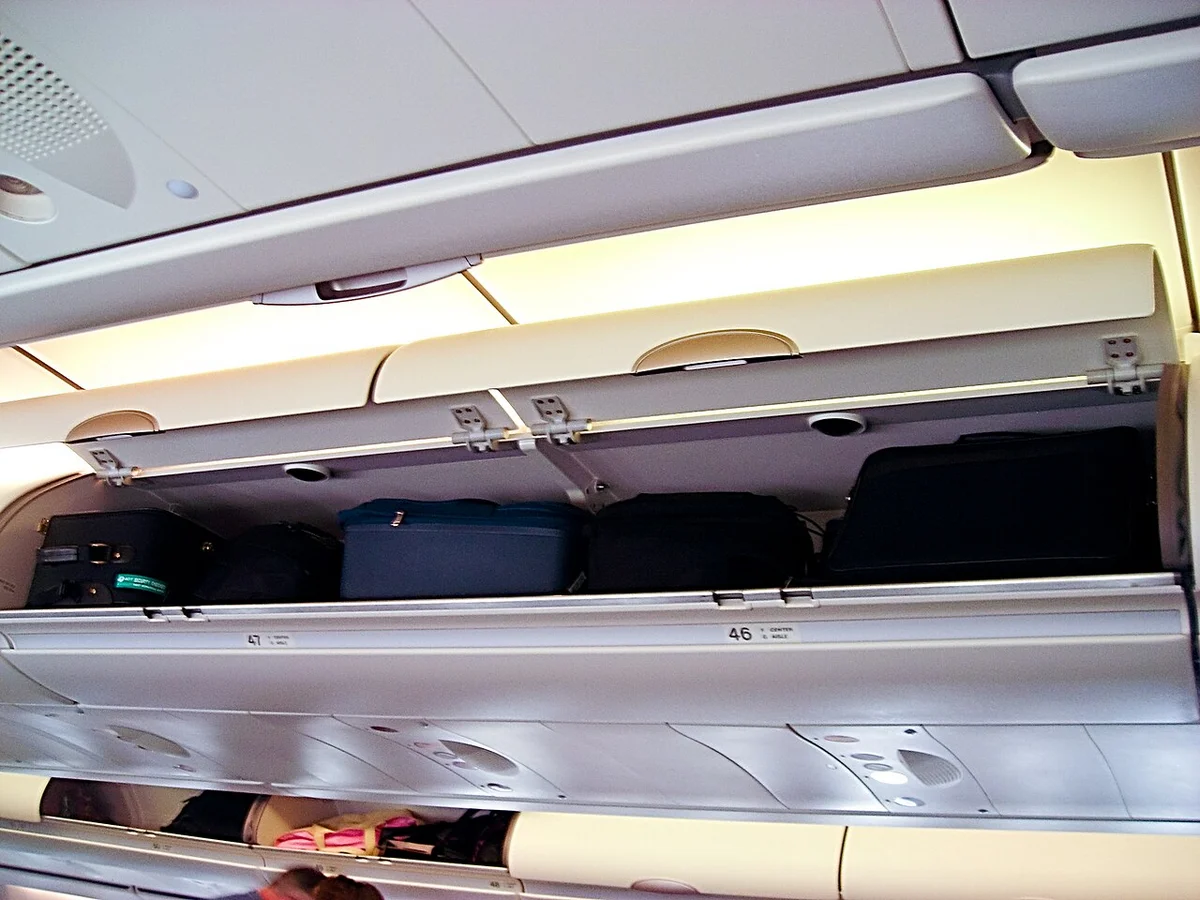
Một hành khách đã trả tiền cho dịch vụ ưu tiên lên máy bay nhưng các ngăn hành lý phía trên đã đầy, khiến họ tự hỏi liệu mình có bị lừa không. Người này nói lần sau có thể sẽ lên máy bay bất cứ khi nào mình muốn và đặt vali vào chỗ trống đầu tiên nhìn thấy.A passenger paid for priority boarding, but the overhead bins were full, leaving them wondering whether they had been duped. The passenger said that next time they might board whenever they feel like it and drop their suitcase in the first open slot they see.
Trả tiền để lên máy bay sớm nhưng khi vào khoang lại không còn ngăn trống cho vali — khoản phí ưu tiên vì thế không mang lại lợi ích mà hành khách nghĩ mình đã mua. Thông điệp chính là lên sớm không đồng nghĩa với được bảo đảm chỗ để hành lý xách tay, và chính khoảng cách giữa hai điều đó khiến hành khách tự hỏi mình có bị lừa hay không. Lần sau, người này nói có thể sẽ lên máy bay bất cứ khi nào mình muốn và đặt vali vào chỗ trống đầu tiên nhìn thấy.
Biến động
Thứ được bán ở đây là thứ tự lên máy bay, với kỳ vọng đi kèm là còn ngăn trống gần ghế. Khi kỳ vọng đó sụp đổ, giá trị cảm nhận của dịch vụ cũng biến mất, dù hành khách đã được xếp vào diện ưu tiên. Biến động đáng chú ý vì vậy không phải giá vé hay giá cổ phiếu — nguồn không nêu hai dữ kiện đó — mà là niềm tin vào một khoản phí phụ trợ.
“I’m sick of flying”
Câu nói trong tiêu đề cho thấy sự mệt mỏi đã vượt qua một bất tiện nhỏ. Hành khách chuyển từ phàn nàn về chỗ để đồ sang nghi ngờ tính trung thực của giao dịch. Điểm đảo chiều là câu hỏi “Was I duped?” — mình có bị lừa không?
Số liệu chính
Bảng dưới đây tách phần nguồn đã nêu khỏi phần chưa công bố, để không biến một lời phàn nàn thành kết luận tài chính chưa có chứng cứ.
| Hạng mục | Thông tin từ nguồn | Ghi chú |
|---|---|---|
| Dịch vụ đã mua | Ưu tiên lên máy bay, đã trả tiền | Số tiền chưa công bố |
| Tình trạng khi vào khoang | Ngăn hành lý phía trên đã đầy | Lợi ích kỳ vọng không đạt |
| Câu hỏi đặt ra | Có bị lừa hay không | Tóm tắt chưa nêu kết luận |
| Dự định lần sau | Lên lúc mình muốn, để vali ở chỗ trống đầu tiên | Thái độ không còn tin vào thứ tự đã mua |
| Hãng, chuyến bay, giá phí | Chưa công bố | Không đối chiếu được điều khoản |
Bảng này cố ý không có con số tài chính có thể kiểm chứng: không giá phí, không mức hoàn tiền, không doanh thu phụ trợ và không giá cổ phiếu. Mọi ước tính thiệt hại bằng tiền từ câu chuyện này hiện đều chưa có cơ sở trong nguồn.
Nguyên nhân
Ba lớp nguyên nhân cần phân biệt, và chưa lớp nào đủ để kết luận lừa đảo.
Thứ nhất, ngăn phía trên là không gian chung, hữu hạn. Vào sớm hơn chỉ cải thiện cơ hội có chỗ; nó không tạo thêm ngăn, và nguồn không cho thấy một ngăn riêng được giữ cho người mua.
Thứ hai, kỳ vọng có thể đã vượt sản phẩm thực tế. Nếu hành khách hiểu khoản phí là bảo đảm cho vali, còn điều khoản chỉ bán thứ tự, tranh cãi nằm ở cách mô tả và cách hiểu dịch vụ.
Thứ ba, chi tiết quyết định vẫn vắng mặt: điều khoản bán hàng, thông báo tại cổng và cách xử lý khi ngăn đầy chưa được nguồn nêu. Chưa thể xác định hãng bán quá khả năng hay hành lý của người khác đã chiếm chỗ. Nguyên nhân chắc chắn nhất là kỳ vọng bị hụt, chưa phải bằng chứng lừa đảo.
Ý nghĩa với nhà đầu tư Việt Nam
Với nhà đầu tư Việt Nam, bài học không nằm ở một mã cụ thể — nguồn không nhắc doanh nghiệp, doanh thu hay thị giá nào — mà ở chất lượng mô hình phí phụ trợ. Phí bán sự tiện lợi và thứ tự có thể hấp dẫn vì không bán thêm tài sản hữu hình, nhưng giá trị phụ thuộc vào trải nghiệm thực tế có đúng kỳ vọng hay không.
Nếu khách tin rằng trả thêm tiền không cải thiện kết quả, họ có thể ngừng mua lần sau. Rủi ro đó cần kiểm tra bằng dữ kiện thật về doanh thu phụ trợ, chính sách hoàn phí và điều khoản của từng hãng. Chưa có các số liệu đó, câu chuyện này không phải cơ sở để mua, bán hay định giá cổ phiếu hàng không.
Với hành khách Việt Nam, bài học gần hơn: trước khi trả phí, hãy kiểm tra hãng cam kết thứ tự, khu vực để đồ hay cả hai, và cách xử lý nếu hành lý phải ký gửi tại cổng.
Mốc cần theo dõi tiếp
- Kết luận của bài tư vấn gốc: tóm tắt chưa nêu chuyên mục trả lời hành khách có bị lừa hay không.
- Điều khoản dịch vụ chính thức: hãng có bảo đảm chỗ trên ngăn hay hoàn phí khi ngăn đầy không.
- Thông tin bổ sung về giao dịch: tên hãng, giá phí và bối cảnh chuyến bay, nếu được công bố.
- Diễn biến lần bay sau: hành khách có thực hiện dự định bỏ qua thứ tự đã mua hay không, và hãng phản ứng thế nào.
Cho tới khi các mốc đó rõ ràng, trạng thái đúng nhất của vụ việc vẫn là một câu hỏi mở: một khoản phí đã trả, một lợi ích kỳ vọng không đạt, và chưa đủ dữ kiện để gọi đó là lừa đảo.
*Thông tin tham khảo, không phải lời khuyên đầu tư.*
Paying to board early but finding no empty overhead bin for a suitcase once inside the cabin — the priority fee therefore did not deliver the benefit the passenger thought they had bought. The main takeaway is that boarding earlier does not mean being guaranteed space for carry-on luggage, and it is precisely the gap between those two things that made the passenger ask whether they had been duped. Next time, this person said they might board whenever they wanted and put their suitcase in the first empty space they saw.
Market Move
What is sold here is boarding order, with the accompanying expectation that an empty bin near the seat will still be available. When that expectation collapsed, the perceived value of the service disappeared too, even though the passenger had been placed in the priority category. The notable move is therefore not a ticket price or a share price — the source states neither — but trust in an ancillary fee.
“I’m sick of flying”
The line in the headline shows the frustration had gone beyond a minor inconvenience. The passenger moved from complaining about storage space to questioning the honesty of the transaction. The turning point is the question “Was I duped?”
Key Figures
The table below separates what the source did state from what it has not disclosed, so that a complaint is not turned into a financial conclusion without evidence.
| Item | Information from the source | Note |
|---|---|---|
| Service bought | Priority boarding, paid for | Amount not disclosed |
| Situation on entering the cabin | Overhead bins were full | Expected benefit not achieved |
| Question raised | Whether the passenger was duped | Summary states no conclusion |
| Plan for next time | Board when they want, put the suitcase in the first empty space | Shows trust in the purchased order has been lost |
| Airline, flight, fee price | Not disclosed | Sales terms cannot be checked |
This table deliberately contains no verifiable financial figure: no fee price, no refund amount, no ancillary revenue and no share price. Any estimate in money terms of the loss from this story currently has no basis in the source.
Causes
Three layers of cause need to be distinguished, and none of them is yet enough to conclude fraud.
First, overhead bins are shared and finite space. Boarding earlier only improves the chance of finding space; it does not create another bin, and the source does not show that a separate bin was held for the buyer.
Second, the expectation may have gone beyond the actual product. If the passenger understood the fee as a guarantee for the suitcase, while the terms only sold boarding order, the dispute lies in how the service was described and how it was understood.
Third, the decisive details are still absent: the sales terms, the announcement at the gate and how the situation was handled when the bins were full have not been stated by the source. It cannot yet be determined whether the airline sold beyond its capacity or other people's luggage took the space. The most certain cause is an unmet expectation, not yet evidence of being duped.
What It Means for Vietnamese Investors
For Vietnamese investors, the lesson does not lie in a specific ticker — the source mentions no company, revenue or market price — but in the quality of the ancillary-fee model. Fees that sell convenience and order can be attractive because they do not sell an additional physical asset, but their value depends on whether the actual experience matches the expectation.
If customers believe paying extra does not improve the outcome, they may stop buying next time. That risk needs to be checked with real data on ancillary revenue, refund policies and each airline's terms. Without those figures, this story is not a basis for buying, selling or valuing any airline stock.
For Vietnamese passengers, the lesson is closer: before paying a fee, check whether the airline commits to boarding order, a storage area, or both, and how it will handle luggage if it has to be checked at the gate.
Milestones to Watch Next
- The conclusion of the original advice article: the summary does not state whether the column answered whether the passenger was duped.
- The official service terms: whether the airline guarantees bin space or refunds the fee when bins are full.
- Additional information about the transaction: the airline's name, the fee price and the flight context, if disclosed.
- What happens on the next flight: whether the passenger carries out the plan to ignore the purchased order, and how the airline responds.
Until those milestones become clear, the most accurate status of the case remains an open question: a fee was paid, an expected benefit was not achieved, and there is not yet enough evidence to call it being duped.
*For information only — not investment advice.*
Nguồn tham chiếuSource: MarketWatch