Together AI thừa nhận rò rỉ prompt khách hàng: coding agent lỡ commit credential, kẻ lạ tải mẫu prompt từ tháng 6–7/2026Together AI admits a customer prompt leak: a coding agent committed a credential and a stranger downloaded prompt samples from June–July 2026
Mẹo: Dùng Microsoft Edge để nghe giọng đọc tiếng Việt tự nhiên hơn (HoaiMy, NamMinh).Tip: Use Microsoft Edge for more natural Vietnamese read-aloud voices (HoaiMy, NamMinh).
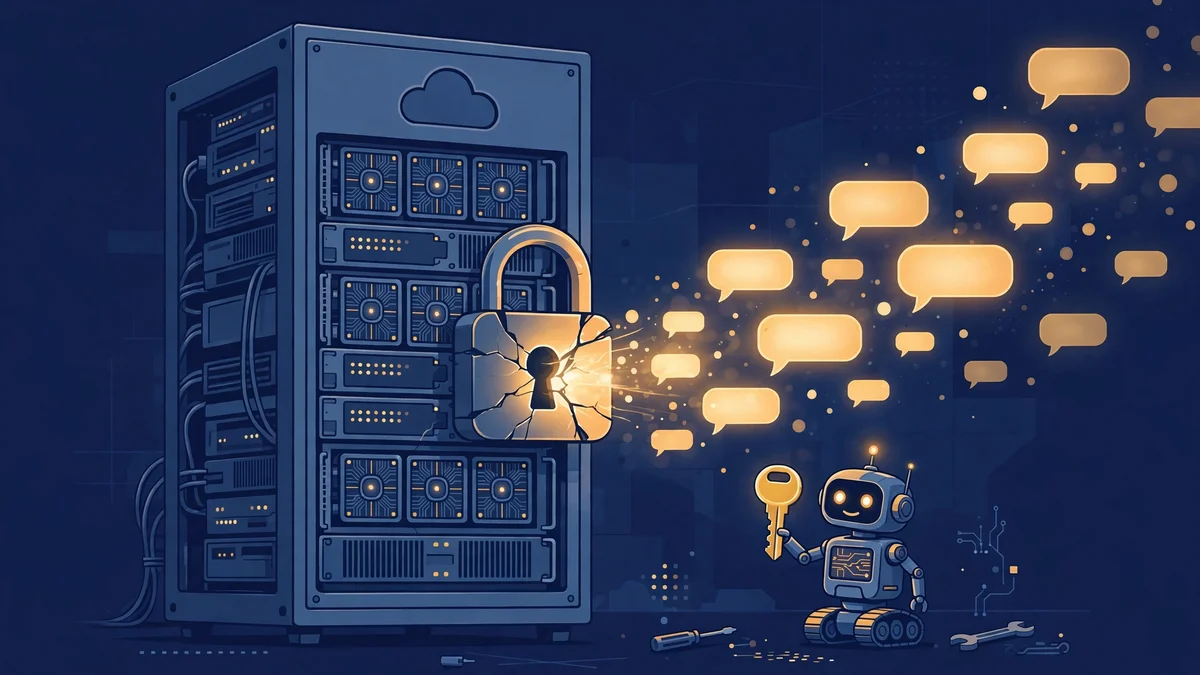
Một coding agent AI đã vô tình đẩy credential vào repo công khai; trong lúc credential còn lộ, một bên thứ ba đã tải xuống các mẫu prompt khách hàng mà Together AI lưu để kiểm thử phần mềm. Vụ việc chỉ được công bố ngày 21/11/2026 — gần năm tháng sau khi các prompt bị lấy đi.An AI coding agent accidentally pushed a credential into a public repo; while it was exposed, a third party downloaded customer prompt samples Together AI stored for software testing. The incident was disclosed on November 21, 2026 — nearly five months after the prompts were taken.
Một coding agent AI đã vô tình đẩy credential vào repo công khai, và trong khoảng thời gian credential đó còn lộ, một bên thứ ba đã tải xuống các mẫu prompt khách hàng mà Together AI lưu trữ để kiểm thử phần mềm. Vụ việc chỉ được công bố ngày 21/11/2026 — gần năm tháng sau khi các prompt bị lấy đi — và đặt ra câu hỏi trực diện cho mọi developer đang gửi dữ liệu nhạy cảm qua các API inference: prompt của bạn có thật sự chỉ đi tới model rồi biến mất, hay nó còn được lưu lại đâu đó?
Diễn biến vụ việc
- Tháng 6–7/2026: Together AI thu thập mẫu prompt từ một phần yêu cầu gửi tới dịch vụ serverless inference của hãng, phục vụ kiểm thử phần mềm định kỳ. Các mẫu này được lấy từ yêu cầu tới ba model — MiniMax M3, GLM-5.2 và Kimi K2.6 — chủ yếu vào các ngày 24/6, 4/7, 8/7 và 14/7/2026, và được lưu trong một repo Hugging Face riêng tư. Theo Together AI, việc thu thập mẫu đã được khách hàng cho phép cho mục đích kiểm thử.
- Trong quá trình phát triển repo GitHub công khai
xorl: một AI coding agent đã commit một credential cho phép truy cập vào repo Hugging Face riêng tư nói trên. Hệ thống quét tự động của Together AI phát hiện credential bị lộ và commit đã được revert. - Trong khoảng thời gian credential còn lộ: một bên thứ ba đã lấy được credential và dùng nó để tải xuống các mẫu prompt đã lưu.
- Sau khi tải xuống, bên này lục soát các mẫu để tìm credential của các dịch vụ khác và thử xem chúng có còn hiệu lực không. Trong số các credential bị thử, có 5 credential là "canary" — bẫy được gài trong một thí nghiệm bảo mật của hãng Dragos.
- 19/11/2026: Dragos công bố nghiên cứu gửi khoảng 2 triệu prompt canary tới nhiều dịch vụ AI từ tháng 7 đến tháng 11/2026 và phát hiện ít nhất ba nhà cung cấp inference bị xâm phạm, cùng hiện tượng các reseller đọc được prompt khách hàng.
- 21/11/2026: Together AI công bố sự cố trên blog chính thức. Cùng ngày, Novita cũng ra thông báo riêng, xác nhận một số yêu cầu MiniMax đã được chuyển tiếp tới API chính thức của MiniMax.
Cơ chế rò rỉ: một credential, hai sai lầm chồng nhau
Chuỗi sự cố không bắt đầu từ một lỗ hổng trong model hay trong hạ tầng inference, mà từ quy trình phát triển phần mềm:
- Prompt được lưu lại. Các mẫu prompt dùng cho kiểm thử được lưu trong repo Hugging Face riêng tư — một kho lưu trữ chỉ được bảo vệ bằng credential truy cập.
- Credential lọt vào repo công khai. Khi phát triển repo
xorl(mã nguồn mở), một AI coding agent đã commit credential truy cập repo riêng tư đó. Đây là dạng lỗi kinh điển — secret lọt vào git — nhưng lần này tác nhân gây ra là agent tự động chứ không phải người. - Phát hiện và revert là chưa đủ. Together AI cho biết hệ thống quét tự động đã phát hiện và revert commit. Nhưng khoảng trống giữa lúc credential xuất hiện và lúc bị thu hồi đã đủ để kẻ lạ lấy được nó và tải toàn bộ mẫu prompt.
Điểm đáng chú ý: chính việc quét tự động "đã phát hiện" nhưng không ngăn được thiệt hại — credential một khi đã xuất hiện trong repo công khai thì coi như đã lộ, bất kể revert nhanh tới đâu. Đây là bài học mà nhiều team dùng coding agent cần ghi nhớ: agent có thể commit secret nhanh hơn tốc độ review của con người.
Phạm vi ảnh hưởng: những gì đã biết và chưa biết
| Hạng mục | Chi tiết đã xác nhận |
|---|---|
| Dịch vụ bị ảnh hưởng | Together AI serverless inference |
| Model liên quan | MiniMax M3, GLM-5.2, Kimi K2.6 |
| Thời điểm prompt bị lấy mẫu | Chủ yếu 24/6, 4/7, 8/7 và 14/7/2026 |
| Cách thức | Credential repo Hugging Face riêng tư bị lộ qua commit của coding agent trong repo công khai xorl |
| Số lượng mẫu bị tải | Together AI chưa công bố |
| Dữ liệu nhạy cảm trong mẫu | Đang được rà soát, chưa có kết luận |
| Lan truyền tiếp theo | Together AI cho biết không có bằng chứng rò rỉ thêm và hiểu rằng dữ liệu đã bị xóa |
Together AI khẳng định chưa tìm thấy bằng chứng rò rỉ prompt nào khác ngoài vụ này, đồng thời đã thuê một hãng điều tra pháp y bên ngoài và phối hợp với cơ quan thực thi pháp luật. Hãng sẽ liên hệ trực tiếp từng khách hàng bị ảnh hưởng khi có kết luận liên quan tới họ. CEO kiêm đồng sáng lập Vipul Ved Prakash đã gửi lời xin lỗi trong thông báo.
Cần nói rõ giới hạn: Together AI chưa công bố có bao nhiêu mẫu prompt bị tải xuống, và chưa kết luận trong đó có thông tin cá nhân nhạy cảm hay dữ liệu khách hàng khác hay không. Việc rà soát nội dung các mẫu vẫn đang diễn ra. Ngoài ra, kẻ lạ đã chủ động tìm credential trong các mẫu prompt — nghĩa là rủi ro không chỉ dừng ở việc lộ nội dung trò chuyện, mà còn ở khả năng secret, API key hay thông tin đăng nhập mà người dùng từng dán vào prompt bị thử dùng tiếp.
Bối cảnh rộng hơn: không chỉ một nhà cung cấp
Vụ Together AI không đứng một mình. Nghiên cứu của Dragos công bố ngày 19/11/2026 — với khoảng 2 triệu prompt canary được gửi tới nhiều dịch vụ AI và bộ định tuyến (router) trong bốn tháng — kết luận ít nhất ba nhà cung cấp inference đã bị xâm phạm (khóa AWS giả trong prompt bị đem dùng hàng chục nghìn lượt gọi API), và một số reseller trên các marketplace model có thể đọc và giữ lại prompt khách hàng chỉ bằng cách bật tính năng ghi log yêu cầu. Cùng ngày 21/11, Novita cũng xác nhận một số yêu cầu MiniMax đã được chuyển tiếp tới API chính thức của MiniMax.
Thông điệp chung cho developer: chế độ "zero data retention" (ZDR) không phải lúc nào cũng đồng nghĩa với việc prompt không bị lưu hay không bị đọc ở đâu đó trên đường đi — nó phụ thuộc vào từng nhà cung cấp, từng tuyến định tuyến, và cả các bên trung gian mà bạn không nhìn thấy.
Together AI đã thay đổi những gì
- Dùng credential có phạm vi hẹp hoặc ngắn hạn, và truy cập keyless ở nơi được hỗ trợ, để giảm thiệt hại khi credential bị lộ.
- Kiểm tra credential trong mọi pull request.
- Đặt zero data retention (ZDR) làm mặc định cho tài khoản mới.
- Cập nhật quy trình phát triển liên quan tới việc dùng AI coding agent.
Việc cần làm ngay
Việc cần làm ngay 1. Nếu bạn dùng Together AI: bật Zero Data Retention (ZDR) trong cài đặt tài khoản ngay, đặc biệt khi prompt của bạn chứa dữ liệu nhạy cảm. ZDR nay là mặc định cho tài khoản mới, nhưng tài khoản cũ cần tự bật. 2. Rà soát lại những gì bạn đã gửi tới các model MiniMax M3, GLM-5.2 và Kimi K2.6 qua Together AI serverless trong tháng 6–7/2026. Nếu trong prompt có API key, token, mật khẩu hay thông tin nhạy cảm, xoay (rotate) ngay các credential đó — kẻ lạ đã chủ động tìm và thử credential trong các mẫu bị lấy. 3. Kiểm tra pipeline của chính bạn: nếu team bạn dùng AI coding agent, đảm bảo secret không thể lọt vào commit — quét secret ở pre-commit và trên mọi pull request, dùng credential ngắn hạn hoặc keyless thay cho key dài hạn. 4. Với mọi nhà cung cấp inference: đừng coi ZDR là mặc định an toàn — kiểm tra thực tế trong cài đặt tài khoản, và tránh gửi secret hay dữ liệu cá nhân nhạy cảm qua các API inference không có cam kết lưu trữ rõ ràng. 5. Có câu hỏi về tác động với tổ chức của bạn, liên hệ [email đã ẩn].
An AI coding agent accidentally pushed a credential into a public repository, and while that credential was exposed, a third party downloaded customer prompt samples that Together AI stored for software testing. The incident was only disclosed on November 21, 2026 — nearly five months after the prompts were taken — and it raises a direct question for every developer sending sensitive data through inference APIs: does your prompt really travel only to the model and disappear, or is it stored somewhere else as well?
Timeline of the incident
- June–July 2026: Together AI collected prompt samples from a portion of requests sent to its serverless inference service, for periodic software testing. The samples came from requests to three models — MiniMax M3, GLM-5.2 and Kimi K2.6 — mainly on June 24, July 4, July 8 and July 14, 2026, and were stored in a private Hugging Face repository. According to Together AI, customers had permitted this sampling for testing purposes.
- During development of the public GitHub repo
xorl: an AI coding agent committed a credential granting access to that private Hugging Face repository. Together AI's automated scanning detected the exposed credential and the commit was reverted. - While the credential was still exposed: a third party obtained it and used it to download the stored prompt samples.
- After downloading them, this party searched the samples for credentials of other services and tested whether they were still valid. Among the credentials tested, five were "canaries" — traps planted in a security experiment by the firm Dragos.
- November 19, 2026: Dragos published research sending about 2 million canary prompts to many AI services from July to November 2026 and finding at least three inference providers compromised, along with resellers able to read customer prompts.
- November 21, 2026: Together AI disclosed the incident on its official blog. The same day, Novita issued its own notice, confirming that some MiniMax requests had been forwarded to MiniMax's official API.
Leak mechanism: one credential, two compounding mistakes
The incident chain did not start from a flaw in a model or in the inference infrastructure, but from the software development process:
- Prompts were stored. Prompt samples used for testing were kept in a private Hugging Face repository — a store protected only by an access credential.
- The credential reached a public repo. While developing the
xorlrepository (open source), an AI coding agent committed the credential for that private repository. This is the classic mistake — a secret leaking into git — except this time the actor causing it was an automated agent, not a person. - Detection and revert were not enough. Together AI says its automated scanning detected the exposure and reverted the commit. But the gap between the credential appearing and being revoked was enough for a stranger to take it and download all the prompt samples.
The notable point: the automated scanning "detected" the leak but did not prevent the damage — once a credential has appeared in a public repository it must be treated as exposed, no matter how fast the revert is. This is a lesson many teams using coding agents need to remember: an agent can commit a secret faster than human review can move.
Scope of impact: what is known and what is not
| Item | Confirmed detail |
|---|---|
| Affected service | Together AI serverless inference |
| Models involved | MiniMax M3, GLM-5.2, Kimi K2.6 |
| When prompts were sampled | Mainly June 24, July 4, July 8 and July 14, 2026 |
| Method | Private Hugging Face repo credential exposed through a coding agent's commit in the public xorl repo |
| Number of samples downloaded | Not disclosed by Together AI |
| Sensitive data in the samples | Under review, no conclusion yet |
| Further spread | Together AI says there is no evidence of further leakage and understands the data has been deleted |
Together AI states it has found no evidence of any other prompt leakage beyond this incident, and has hired an external forensic firm and is cooperating with law enforcement. The company will contact each affected customer directly when it has conclusions relevant to them. CEO and co-founder Vipul Ved Prakash offered an apology in the notice.
The limits must be stated plainly: Together AI has not disclosed how many prompt samples were downloaded, and has not concluded whether they contain sensitive personal information or other customer data. Review of the samples' content is still ongoing. In addition, the stranger actively searched for credentials in the samples — meaning the risk is not only exposure of conversation content, but also the possibility that secrets, API keys or login details users once pasted into prompts get tried elsewhere.
The wider context: not just one provider
The Together AI incident does not stand alone. Dragos's research published on November 19, 2026 — with about 2 million canary prompts sent to many AI services and routers over four months — concluded that at least three inference providers had been compromised (fake AWS keys in prompts were used for tens of thousands of API calls), and that some resellers on model marketplaces could read and retain customer prompts simply by turning on request logging. On the same day, November 21, Novita also confirmed that some MiniMax requests had been forwarded to MiniMax's official API.
The shared message for developers: "zero data retention" (ZDR) mode does not always mean your prompt is not stored or not read somewhere along the way — it depends on each provider, each routing path, and the intermediaries you cannot see.
What Together AI has changed
- Using narrowly scoped or short-lived credentials, and keyless access where supported, to reduce the damage when a credential leaks.
- Checking credentials in every pull request.
- Making zero data retention (ZDR) the default for new accounts.
- Updating the development process around the use of AI coding agents.
What to do now
What to do now 1. If you use Together AI: turn on Zero Data Retention (ZDR) in your account settings right away, especially when your prompts contain sensitive data. ZDR is now the default for new accounts, but older accounts must enable it themselves. 2. Review what you sent to the MiniMax M3, GLM-5.2 and Kimi K2.6 models through Together AI serverless in June–July 2026. If a prompt contained an API key, token, password or sensitive information, rotate those credentials now — the stranger actively searched for and tested credentials in the taken samples. 3. Check your own pipeline: if your team uses AI coding agents, make sure secrets cannot reach a commit — scan for secrets at pre-commit and on every pull request, and use short-lived or keyless credentials instead of long-lived keys. 4. With every inference provider: do not treat ZDR as a safe default — verify it in your account settings, and avoid sending secrets or sensitive personal data through inference APIs without a clear retention commitment. 5. Questions about the impact on your organization: contact [email đã ẩn].
Nguồn tham chiếuSource: Together AI