Xe phế liệu Singapore bán rẻ ở JB, một số xe quay lại đường trái phépSingapore Scrap Cars Go Cheap in JB, With Some Illegally Back on the Roads
Ngày 25/11/2026, CNA đăng phóng sự ghi nhận hàng trăm tin rao trực tuyến chào bán xe Singapore đã hủy đăng ký tại Malaysia với giá rẻ, trong đó một số người bán thừa nhận người mua lái những xe này trái phép bằng biển số đăng ký sao chép (cloning). Các tin rao tập trung tại Johor Bahru (JB).
Giá rao và những mẫu xe được chào bán
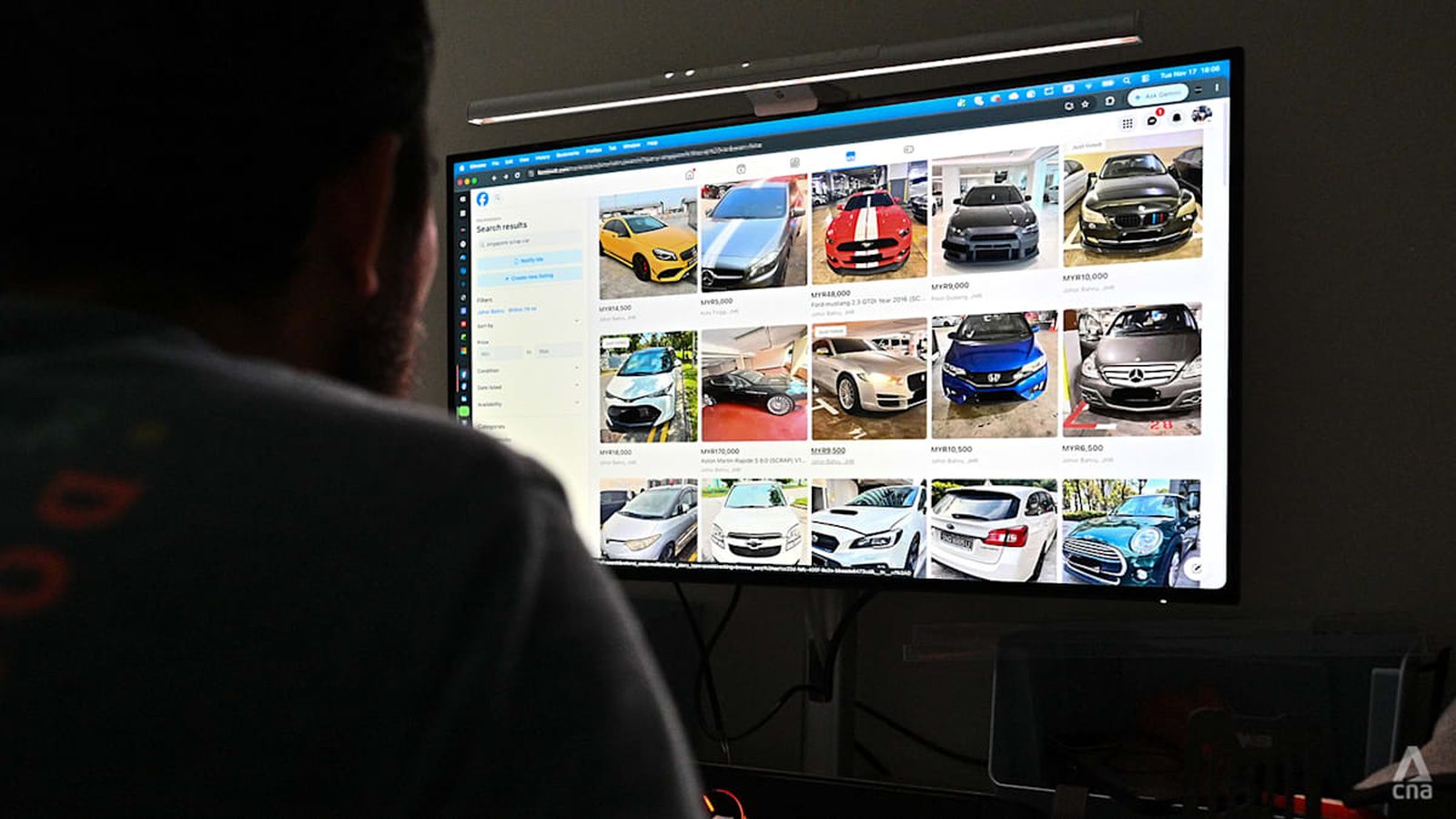
CNA tìm thấy hàng trăm tin rao trên Facebook, Telegram và WeChat. Giá chào dao động từ khoảng RM5.000 đến RM100.000, với xe chủ yếu từ 10 đến 20 năm tuổi — từ các hãng Nhật như Toyota, Honda đến các thương hiệu hạng sang châu Âu như BMW, Mercedes-Benz và Land Rover. Một chiếc BMW Coupe được rao ở mức RM25.000 (US$6.070), chỉ khoảng một phần ba giá của thị trường xe cũ Malaysia. Chỉ riêng thứ Hai 23/11/2026, các tin rao gồm một chiếc Toyota Vellfire 10 năm tuổi giá RM33.000, một chiếc Mercedes-Benz 15 năm tuổi giá RM10.000 và một chiếc Mini Cooper 15 năm tuổi giá RM5.500. Điểm chung của các xe này: chúng đã bị hủy đăng ký tại Singapore, nên không thể lái trên đường công cộng nếu không đáp ứng các yêu cầu đăng ký liên quan.
Cách thức mua bán và thủ thuật cloning
Một số người bán nói rõ xe chỉ để rã lấy phụ tùng, nhưng những người khác sẵn sàng bán xe nguyên chiếc để chạy trên đường. Một số người bán thừa nhận khách hàng đã mua xe để lái tại Malaysia và thậm chí tại Singapore. Phương thức che giấu là cloning — dùng danh tính đăng ký của một xe khác, gồm biển số và trong một số trường hợp là giấy tờ hoặc thông tin nhận dạng giả.
Một người bán điều hành trang Facebook chuyên rao xe Singapore đã hủy đăng ký nói với CNA rằng rủi ro thuộc về người mua; phía bán có thể chỉ khách tới các xưởng cụ thể giúp làm cloning nhưng không cổ xúy việc này. Người này nói thêm nguy cơ bị bắt là cao ở cả Singapore và Malaysia, nhưng một số người vẫn chấp nhận vì giá quá rẻ.
Một số người bán yêu cầu đặt cọc khoảng 10% giá rao trước khi hẹn xem xe hoặc lái thử. Một người bán trên WeChat cho biết khách thường tự lái xe đi thay vì dùng xe kéo, và việc giao xe thường diễn ra vào ban đêm khi đường vắng để giảm nguy cơ tai nạn. Một người bán khác tại Taman Daya, Johor Bahru — cách tổ hợp cửa khẩu CIQ khoảng 20 phút lái xe — cho rằng rủi ro tại Singapore cao hơn vì hệ thống thu phí điện tử ERP và hệ thống bãi đỗ có thể làm lộ mâu thuẫn trong thông tin đăng ký của xe. Một người bán trên Facebook đăng khoảng sáu tin rao mỗi ngày cho biết nhiều khách mua xe làm phương tiện thứ hai giá rẻ để dùng hằng ngày ở vùng nông thôn, nơi khả năng bị kiểm tra thấp; cũng có người mua không cloning mà chỉ lái xe quanh Johor.
Vì sao xe đã hủy đăng ký vẫn được săn đón
Tại Singapore, Giấy chứng nhận quyền sở hữu xe (COE) thường có thời hạn 10 năm và có thể gia hạn thêm 5 hoặc 10 năm. Nếu không gia hạn, xe phải hủy đăng ký và được xử lý theo yêu cầu của Cục Giao thông Đường bộ Singapore (LTA): rã tại bãi phế liệu do LTA chỉ định hoặc xuất khẩu ra nước ngoài. Việc xuất khẩu nguyên chiếc một xe đã hủy đăng ký tự nó không bất hợp pháp, và việc rã xe ở nước ngoài để lấy phụ tùng cũng vậy — ranh giới bị vượt qua khi chiếc xe xuất khẩu với mục đích rã lại được bán cho cá nhân để lái.
Chuyên gia phân tích ngành ô tô Malaysia Hezeri Samsuri (tổng biên tập của Careta Media) cho CNA biết nhiều xe Singapore đã hủy đăng ký được xuất khẩu với mục đích khai thác phụ tùng phục vụ sửa chữa xe tại Malaysia, và chúng hấp dẫn vì còn ở tình trạng tương đối tốt dù đã hết hạn COE. Một chiếc xe nhập khẩu đủ điều kiện vẫn có thể đăng ký hợp pháp để lưu thông tại Malaysia, nhưng cần giấy phép nhập khẩu, kiểm định và hồ sơ đăng ký cần thiết; chương trình Open Approved Permit tiêu chuẩn của Malaysia cho xe đã qua sử dụng thường chỉ áp dụng cho xe từ 1 đến 5 năm tuổi — một rào cản lớn với phần lớn xe Singapore đang được rao bán tại Johor, vốn cũ hơn nhiều.
Rủi ro cho người đi đường và nạn nhân tai nạn
Chuyên gia kinh tế giao thông Walter Theseira (Đại học Khoa học Xã hội Singapore) cảnh báo các xe bị lái trái phép này không có bảo hiểm, nên trách nhiệm bồi thường tai nạn có khả năng đổ lên nạn nhân; theo ông, người lái những xe này thường liên quan đến hoạt động phạm pháp và ít có tài sản hợp pháp để bồi thường.
Ngày 29/10/2026, một vụ tai nạn chết người tại Tampines, Singapore, liên quan đến một chiếc Audi màu xanh, đã khiến một người đi xe máy 24 tuổi và người vợ đang mang thai của anh, cũng 24 tuổi, tử vong. Tài xế Audi sau đó bị truy tố với nhiều tội danh, gồm lái xe nguy hiểm gây chết người, sử dụng xe đã hủy đăng ký, gắn biển số giả và lái xe không có bảo hiểm. CNA nhấn mạnh chưa có bằng chứng đã kiểm chứng liên hệ chiếc xe trong vụ tai nạn với các tin rao bán tại Johor, hay xác lập việc xe từng được xuất khẩu sang Malaysia rồi quay lại Singapore; CNA đã đề nghị LTA và cảnh sát làm rõ lịch sử của chiếc xe.
Thực thi pháp luật ở hai bên biên giới
Theo số liệu của LTA, Singapore ghi nhận 75 trường hợp sử dụng trái phép xe đã hủy đăng ký trong năm 2024, tăng lên 245 trường hợp vào năm 2025. Ngày 20/11/2026, LTA cho biết 566 xe đã hủy đăng ký đã bị tạm giữ từ đầu năm 2026 — đây là con số xe bị tạm giữ, không trực tiếp so sánh được với số trường hợp của các năm trước. Tháng 5/2026, LTA truy tố ba người đàn ông trong các vụ việc riêng lẻ, trong đó có một công dân Singapore 62 tuổi bị cáo buộc dùng xe đã hủy đăng ký qua cửa khẩu Woodlands nhiều lần trong giai đoạn 2024–2025, và một thường trú nhân Singapore 63 tuổi trong một vụ riêng lẻ khác.
Tại Malaysia, vào tháng 3/2026, cảnh sát bắt 12 nghi phạm và thu giữ 12 xe trị giá khoảng RM1,1 triệu trong một chiến dịch nhắm vào đường dây trộm cắp và cloning xe hoạt động ở nhiều bang; 8 xe bị cáo buộc đã bị cloning và 4 xe bị báo mất trộm từ Singapore. Riêng tại Johor, Cục Giao thông Đường bộ Malaysia (JPJ) đã thu giữ 2.075 xe vì các vi phạm giao thông nghiêm trọng trong năm 2025 — con số này không tách riêng xe cloning hay xe Singapore đã hủy đăng ký. Người phát ngôn của JPJ Johor cho CNA biết cơ quan này nắm được việc có doanh nghiệp bán xe Singapore đã hủy đăng ký trong bang và đang điều tra xem có hành vi bán trái phép hay không.
Luật siết chặt và ý kiến chuyên gia
Tại Singapore, mức phạt tăng nặng với hành vi giữ hoặc sử dụng xe chưa đăng ký hoặc đã hủy đăng ký có hiệu lực từ 27/2/2026: người vi phạm lần đầu có thể bị phạt tới S$20.000 (US$15.500), tù tới 2 năm, hoặc cả hai — so với mức trước đó là S$2.000 và tối đa 3 tháng tù; tái phạm bị phạt gấp đôi. Tháng 10/2026, quốc hội Singapore thông qua luật siết chặt việc xử lý và xuất khẩu xe đã hủy đăng ký, gồm chương trình Authorised Exporter Scheme (xe hủy đăng ký dự định xuất khẩu phải qua nhà xuất khẩu được LTA ủy quyền), rút thời hạn xử lý xuống còn 14 ngày (từ một tháng), và tội danh mới nhắm vào người cố ý hoặc liều lĩnh cung cấp xe đã hủy đăng ký để sử dụng trái phép trên đường Singapore. Chương trình nhà xuất khẩu ủy quyền chưa đi vào vận hành; LTA đặt mục tiêu triển khai vào quý IV/2027.
Tại Malaysia, sửa đổi Đạo luật Giao thông Đường bộ có hiệu lực từ 16/10/2026 nâng mức phạt cho hành vi giả mạo hồ sơ hoặc danh tính xe lên tới RM200.000 và/hoặc tù tới 10 năm.
Các chuyên gia cho rằng chỉ tăng phạt là chưa đủ. Ông Theseira đề xuất quản lý chặt hơn các cơ sở sản xuất và lắp đặt biển số, gồm một hệ thống nhà sản xuất biển số được chính phủ phê duyệt, vì Singapore hiện không có quy định về việc phê duyệt nhà sản xuất biển số. Công ty telematics Cartrack cho rằng việc theo dõi xe đã hủy đăng ký xuyên suốt quá trình xử lý và xuất khẩu là khả thi về mặt kỹ thuật, nhưng thiết bị theo dõi có thể bị tháo hoặc ngắt kết nối. Ông Hezeri đề xuất Malaysia yêu cầu xe nhập khẩu để rã phải được tháo rời trước khi qua biên giới, đồng thời thừa nhận các biện pháp thực thi khó có thể xóa bỏ hoàn toàn vấn nạn vì giá rẻ quá khó cưỡng.
Điều nguồn còn để ngỏ
CNA cho biết hiện vẫn chưa rõ có bao nhiêu trong số các xe đã hủy đăng ký bị tạm giữ từng được xuất khẩu sang Johor, mua tại đó rồi đưa trở lại Singapore trái phép.
Nguồn: CNA — Singapore scrap cars going for a steal in JB but some are finding their way back onto roads illegally
Đọc tiếp - Malaysia khuyến nghị trung tâm dữ liệu cắt liên hệ với 7 công ty trong danh sách đen của Mỹ (https://news.danhthanh.dev/bai/malaysia-khuyen-nghi-trung-tam-du-lieu-cat-lien-he-7-cong-ty-danh-sach-den-my) - Malaysia sẽ hồi hương hơn 6.500 người di cư Myanmar trong tháng 12 (https://news.danhthanh.dev/bai/malaysia-hoi-huong-hon-6500-nguoi-di-cu-myanmar-trong-thang-12) - Malaysia kiện Google, yêu cầu bồi thường gần 146 triệu USD vì YouTube xử lý nội dung độc hại chưa thỏa đáng (https://news.danhthanh.dev/bai/malaysia-kien-google-yeu-cau-boi-thuong-gan-146-trieu-usd-vi-youtube-xu-ly-noi-d)
On November 25, 2026, CNA published an investigation finding hundreds of online listings offering deregistered Singapore cars in Malaysia at bargain prices, with some sellers admitting that buyers drive these cars illegally using cloned registration plates. The listings are concentrated in Johor Bahru (JB).
Asking prices and the cars on offer
CNA found hundreds of advertisements across Facebook, Telegram and WeChat. Asking prices ranged from about RM5,000 to RM100,000, with most vehicles between 10 and 20 years old — from Japanese brands such as Toyota and Honda to luxury European marques including BMW, Mercedes-Benz and Land Rover. A BMW Coupe was advertised for just RM25,000 (US$6,070), roughly a third of what it would cost in Malaysia's secondhand car market. On Monday, November 23, 2026, alone, advertisements included a 10-year-old Toyota Vellfire going for RM33,000, a 15-year-old Mercedes-Benz for RM10,000 and a 15-year-old Mini Cooper for RM5,500. What these cars share: they have been deregistered in Singapore and cannot simply be driven on public roads without meeting the relevant registration requirements.
How the trade and cloning work
Some sellers explicitly stated that the cars are meant to be stripped for spare parts, but others were willing to sell intact vehicles for road use. Some sellers acknowledged that customers had bought these cars to drive on Malaysian and even Singapore roads. The disguise is car cloning — the use of another vehicle's registration identity, including its number plates and, in some cases, falsified documents or identification details.
One seller who oversees a Facebook page advertising Singapore-deregistered cars told CNA that the risk is borne by buyers; the sellers can direct customers to specific workshops that help with cloning but do not condone it. The seller added that the risk of getting caught is high in both Singapore and Malaysia, but some are willing to take the risk because the prices are so cheap.
Several sellers asked prospective buyers for a deposit of roughly 10 per cent of the advertised price before arranging a viewing or test drive. One seller advertising on WeChat said customers usually drive off with the car rather than using a tow truck, and that exchanges usually take place at night, when there are fewer cars on the roads, to minimise the chance of accidents. Another seller, based in Taman Daya, Johor Bahru — about a 20-minute drive from the Customs, Immigration and Quarantine (CIQ) complex — believed the risk was considerably higher in Singapore, citing electronic road pricing and parking systems that could expose inconsistencies in a vehicle's registration details. One Facebook seller, whose page carried about six vehicle listings a day, said many customers bought the cars as cheap second vehicles for everyday use in villages where the likelihood of enforcement is lower; some buyers choose not to clone the car and merely drive it around Johor.
Why deregistered cars are still in demand
In Singapore, a Certificate of Entitlement (COE) typically lasts 10 years and can be renewed for another five or 10 years. If the COE is not renewed, the vehicle must be deregistered and disposed of in accordance with the Land Transport Authority's (LTA) requirements: scrapped at an LTA-appointed scrapyard or exported overseas. Exporting an intact deregistered vehicle is not inherently illegal, and neither is dismantling it overseas for usable parts — the line is crossed when a vehicle exported for dismantling is then offered to an individual for driving.
Malaysian automotive industry analyst Hezeri Samsuri, managing editor of automobile publication Careta Media, told CNA that many Singapore-deregistered cars are exported with the stated purpose of being stripped for spare parts used to repair vehicles in Malaysia, and that the cars can be particularly attractive because many remain in relatively good condition despite having reached the end of their COE period. An eligible imported Singapore car can be legally registered for Malaysian road use, but doing so requires the necessary import approvals, inspections and registration documents; Malaysia's standard Open Approved Permit scheme for used or reconditioned cars generally applies to vehicles between one and five years old — a significant hurdle for the much older Singapore vehicles advertised in Johor.
Risks to other motorists and accident victims
Transport economist Walter Theseira of the Singapore University of Social Sciences warned that illegally driven deregistered vehicles are uninsured, so any liability resulting from accidents will likely be borne by the victims; he said such vehicles are likely to be driven by persons engaged in criminal activities, who are likely to have little legal assets that can be used to compensate victims.
On October 29, 2026, a fatal accident in Tampines, Singapore, involving a blue Audi killed a 24-year-old motorcyclist and his pregnant wife, also 24, who was riding pillion. The Audi's driver was subsequently charged with several offences, including dangerous driving causing death, using a deregistered vehicle, displaying a false licence plate and driving without insurance. CNA stressed that there is no verified evidence linking the vehicle involved in the Tampines accident to the Johor listings, or establishing that it had been exported to Malaysia before returning to Singapore; CNA has sought clarification from the LTA and the police on the vehicle's history.
Enforcement on both sides of the Causeway
According to figures released by the LTA, Singapore recorded 75 reported cases of illegal use of deregistered vehicles in 2024, rising to 245 in 2025. On November 20, 2026, the authority said 566 deregistered vehicles had been impounded so far in 2026 — a figure for vehicles impounded that is not directly comparable with the reported case figures for previous years. In May 2026, the LTA announced charges against three men in separate cases, among them a 62-year-old Singaporean who allegedly used a deregistered vehicle to cross Woodlands Checkpoint on numerous occasions between 2024 and 2025, and a 63-year-old Singapore permanent resident charged in a separate case.
Across the Causeway, in March 2026, Malaysian police arrested 12 suspects and seized 12 vehicles worth an estimated RM1.1 million during an operation targeting a vehicle theft and cloning syndicate operating across several states; eight of the vehicles had allegedly been cloned, while four were reported stolen from Singapore. In Johor alone, the Road Transport Department (JPJ) seized 2,075 vehicles for various serious road-traffic offences in 2025 — a figure that does not specifically identify cloned vehicles or deregistered Singapore cars. A JPJ Johor spokesperson told CNA the department was aware of businesses selling deregistered Singapore vehicles in the state and was investigating whether illegal sales had taken place.
Tougher laws and expert views
In Singapore, tougher penalties for keeping or using unregistered or deregistered vehicles took effect on February 27, 2026: first-time offenders may be fined up to S$20,000 (US$15,500), jailed for a maximum of two years, or both — up from a fine of up to S$2,000 and a jail term of up to three months previously; penalties are doubled for repeat offenders. In October 2026, parliament also passed legislation to tighten the disposal and export of deregistered vehicles, including a new Authorised Exporter Scheme under which deregistered vehicles intended for export must be handled by LTA-authorised exporters, a shorter disposal period of 14 days (down from one month), and new offences targeting those who knowingly or recklessly supply deregistered vehicles for illegal use on Singapore roads. The scheme is not yet operational, with the LTA targeting implementation in the fourth quarter of 2027.
In Malaysia, amendments to the Road Transport Act that took effect on October 16, 2026, raised penalties for certain offences involving falsified vehicle records or identities to fines of up to RM200,000, imprisonment of up to 10 years, or both.
Experts say tougher punishments alone may not be enough. Theseira suggested tighter regulation of businesses that produce and install vehicle registration plates, including a system of government-approved plate makers, noting that there is no regulation in Singapore governing the approval of licence plate makers. Telematics company Cartrack said tracking deregistered vehicles through the disposal and export process would be technically possible, although devices can be removed or disconnected. Hezeri suggested Malaysia could require vehicles brought in specifically for dismantling to be broken down before crossing the border, while acknowledging that enforcement is unlikely to eliminate the problem entirely because the cheap prices are too difficult to ignore.
What remains unclear
CNA said it remains unclear how many of the impounded deregistered vehicles had been exported to Johor, purchased there and subsequently brought back into Singapore illegally.
Source: CNA — Singapore scrap cars going for a steal in JB but some are finding their way back onto roads illegally
Read next - Malaysia advises data centres to cut links with seven US-blacklisted firms (https://news.danhthanh.dev/en/malaysia-advises-data-centres-cut-links-us-blacklisted-firms) - Malaysia to repatriate more than 6,500 Myanmar migrants in December (https://news.danhthanh.dev/en/malaysia-to-repatriate-more-than-6500-myanmar-migrants-in-december) - Malaysia sues Google, seeking nearly US$146 million over YouTube's handling of harmful content (https://news.danhthanh.dev/en/malaysia-sues-google-seeking-nearly-us-146-million-over-youtube-s-handling-of-ha)
Nguồn tham chiếuSource: channelnewsasia.com