Chứng khoán Mỹ mất 6.000 tỷ USD trong một tuần: S&P 500 rơi vào vùng điều chỉnh, Nvidia lao dốc 14%US Markets Lose $6 Trillion in a Week: S&P 500 Falls Into Correction, Nvidia Plunges 14%
Mẹo: Dùng Microsoft Edge để nghe giọng đọc tiếng Việt tự nhiên hơn (HoaiMy, NamMinh).Tip: Use Microsoft Edge for more natural Vietnamese read-aloud voices (HoaiMy, NamMinh).
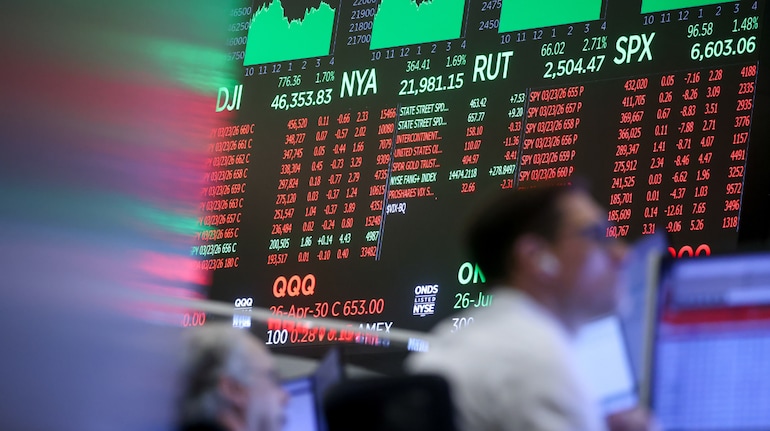
Thị trường chứng khoán Mỹ bốc hơi khoảng 6.000 tỷ USD chỉ trong một tuần: S&P 500 giảm 7 phiên liên tiếp và rơi vào vùng điều chỉnh, Nasdaq 100 có tuần tệ nhất từ tháng 3/2020, Nvidia mất 14% giữa tin điều tra kế toán, còn Anthropic lao dốc 9,1% ngay sau IPO kỷ lục. Đợt bán tháo lan sang VN-Index và tỷ giá USD/VND.US equities shed roughly $6 trillion in a single week: the S&P 500 fell seven straight sessions into correction territory, the Nasdaq 100 posted its worst week since March 2020, Nvidia lost 14% amid an accounting investigation, and Anthropic slid 9.1% right after its record IPO. The sell-off is spilling into the VN-Index and the USD/VND rate.
Thị trường chứng khoán Mỹ đã bốc hơi khoảng 6.000 tỷ USD chỉ trong một tuần, khi S&P 500 giảm 7 phiên liên tiếp và rơi vào vùng điều chỉnh. Thông điệp chính cho người đọc là đợt giảm này không còn là nhịp điều chỉnh của riêng một vài cổ phiếu công nghệ, mà đã thành một tuần bán tháo diện rộng đủ sức lan sang VN-Index và tỷ giá USD/VND. Vì vậy, rủi ro cần quản trị lúc này là hiệu ứng lây lan, không phải việc bắt đáy theo từng tin riêng lẻ.
Biến động
Chuỗi giảm của S&P 500 kéo dài 7 phiên liên tiếp — chuỗi giảm dài nhất kể từ năm 2020 theo tiêu đề của bài gốc — cho thấy áp lực bán không dừng ở một phiên hoảng loạn đơn lẻ. Việc chỉ số này rơi vào vùng điều chỉnh là tín hiệu về độ sâu: trong cách dùng phổ biến trên thị trường, vùng điều chỉnh thường chỉ mức giảm ít nhất 10% từ đỉnh gần nhất, dù bản tóm tắt nguồn chưa nêu chính xác S&P 500 đã giảm bao nhiêu phần trăm từ đỉnh. Ở nhóm công nghệ, tình hình còn nặng hơn khi Nasdaq 100 ghi nhận tuần tệ nhất kể từ tháng 3/2020. Hai mốc so sánh cùng trỏ về 2020 cho thấy đây là biến động hiếm gặp trong nhiều năm, không phải rung lắc thông thường.
6.000 tỷ USD trong một tuần — quy mô bốc hơi được nguồn ghi nhận cho toàn thị trường Mỹ.
Số liệu chính
Bảng dưới đây gom toàn bộ dữ kiện định lượng mà bản tóm tắt nguồn cung cấp; những ô ghi nguồn chưa nêu là giới hạn thông tin, không phải khoảng trống để suy đoán.
| Chỉ số / cổ phiếu | Diễn biến được ghi nhận | Mốc so sánh / ghi chú |
|---|---|---|
| Thị trường chứng khoán Mỹ | Bốc hơi khoảng 6.000 tỷ USD | Trong một tuần |
| S&P 500 | Giảm 7 phiên liên tiếp, rơi vào vùng điều chỉnh | Chuỗi giảm dài nhất kể từ 2020 |
| Nasdaq 100 | Tuần tệ nhất kể từ tháng 3/2020 | Nguồn chưa nêu tỷ lệ giảm cụ thể của tuần |
| Nvidia | Giảm 14% | Giữa tin điều tra kế toán |
| Anthropic | Giảm 9,1% | Ngay sau IPO kỷ lục |
| VN-Index và USD/VND | Chịu tác động lan tỏa từ đợt bán tháo | Nguồn chưa nêu mức điểm hay mức tỷ giá cụ thể |
Điểm cần đọc kỹ là sự khác biệt về cấp độ: Nvidia và Anthropic biến động ở từng cổ phiếu, còn các chỉ số rộng cho thấy áp lực ở cấp độ thị trường. Nguồn cũng chưa công bố giá đóng cửa hay điểm số cụ thể của hai chỉ số chính.
Nguyên nhân
Về nguyên nhân, bản tóm tắt nguồn chỉ nêu rõ hai yếu tố gắn với từng cổ phiếu, và không nên mở rộng chúng thành kết luận về toàn bộ thị trường. Với Nvidia, tin điều tra kế toán xuất hiện đồng thời với mức giảm hai chữ số; loại tin này thường nhạy cảm vì nó đặt câu hỏi về độ tin cậy của số liệu tài chính mà nhà đầu tư dùng để định giá, dù nguồn chưa nêu cơ quan điều tra, nội dung cáo buộc hay kết luận nào. Với Anthropic, cú giảm xảy ra ngay sau một IPO kỷ lục, cho thấy cổ phiếu mới niêm yết vẫn có thể đảo chiều rất nhanh khi kỳ vọng ban đầu bị thử thách. Ngoài hai yếu tố trên, nguồn chưa công bố thêm nguyên nhân vĩ mô cụ thể nào cho tuần bán tháo.
Ý nghĩa với nhà đầu tư Việt Nam
Ý nghĩa trực tiếp nhất là đợt bán tháo đã lan sang VN-Index và tỷ giá USD/VND, theo bản tóm tắt nguồn, dù mức biến động cụ thể của thị trường Việt Nam chưa được nêu. Điều đó tạo ra hai kênh cần theo dõi đồng thời: kênh giá tài sản, khi tâm lý né rủi ro ở Mỹ có thể làm nhà đầu tư trong nước thận trọng hơn với cổ phiếu tăng trưởng; và kênh tỷ giá, khi đồng USD biến động sẽ ảnh hưởng tới chi phí nhập khẩu, nghĩa vụ nợ ngoại tệ và doanh nghiệp có vay nợ gắn với USD. Điểm chốt là nhà đầu tư Việt Nam không nên chỉ nhìn vào mức phục hồi của từng cổ phiếu Mỹ, mà phải kiểm tra xem áp lực lên VN-Index và tỷ giá đã dừng lại hay chưa.
Mốc cần theo dõi tiếp
Có bốn mốc cần kiểm chứng trong các phiên tới, và bản tóm tắt nguồn không gắn chúng với một ngày cụ thể nào. Thứ nhất, liệu chuỗi giảm của S&P 500 dừng lại hay kéo dài thêm, vì điều đó quyết định chỉ số còn ở vùng điều chỉnh hay trượt sâu hơn. Thứ hai, diễn biến tiếp theo quanh tin điều tra kế toán liên quan tới Nvidia, đặc biệt là bất kỳ thông tin chính thức nào thay thế cho tin ban đầu mà nguồn hiện chưa nêu chi tiết. Thứ ba, giao dịch của Anthropic sau cú giảm đầu tiên hậu IPO. Thứ tư, phản ứng tiếp nối của VN-Index và USD/VND — nếu hai biến số này ổn định trở lại trong khi Phố Wall vẫn giảm, tác động lan tỏa có thể đang yếu đi.
*Thông tin tham khảo, không phải lời khuyên đầu tư.*
U.S. stocks have lost about $6 trillion in value in just one week, as the S&P 500 fell for 7 consecutive sessions and entered correction territory. The main takeaway for readers is that this decline is no longer a pullback in a few individual technology stocks, but a broad-based sell-off week powerful enough to spread to the VN-Index and the USD/VND exchange rate. The risk to manage now, therefore, is the contagion effect, not bottom-fishing on each isolated headline.
Market Move
The S&P 500's decline lasted 7 consecutive sessions — the longest losing streak since 2020, according to the original article's headline — showing that selling pressure did not stop at a single panicked session. The index's fall into correction territory is a signal about depth: in common market usage, a correction usually means a fall of at least 10% from a recent peak, although the source summary does not state exactly how many percent the S&P 500 has fallen from its peak. Conditions were even heavier in technology, as the Nasdaq 100 recorded its worst week since March 2020. The fact that both comparison points point back to 2020 shows this was a move rarely seen in many years, not an ordinary shakeout.
$6 trillion in one week — the scale of the evaporation recorded by the source for the entire U.S. market.
Key Figures
The table below gathers all the quantitative data provided by the source summary; entries marked as not stated by the source are limits of the information, not gaps to be filled by speculation.
| Index / stock | Move recorded | Comparison point / note |
|---|---|---|
| U.S. stock market overall | Lost about $6 trillion | In one week |
| S&P 500 | Fell 7 consecutive sessions, entered correction territory | Longest losing streak since 2020 |
| Nasdaq 100 | Worst week since March 2020 | Source does not state the week's specific percentage fall |
| Nvidia | Down 14% | Amid accounting-investigation news |
| Anthropic | Down 9.1% | Immediately after a record IPO |
| VN-Index and USD/VND | Affected by spillover from the sell-off | Source does not state a specific point level or exchange-rate level |
The key point to read carefully is the difference in level: Nvidia and Anthropic moved at the individual-stock level, while the broad indexes show pressure at the market level. The source also has not published closing prices or specific point levels for the two main indexes.
Causes
On causes, the source summary clearly states only two stock-specific factors, and they should not be stretched into a conclusion about the entire market. For Nvidia, news of an accounting investigation appeared at the same time as a double-digit fall; this kind of news is usually sensitive because it raises questions about the reliability of the financial figures investors use for valuation, although the source does not state the investigating agency, the content of any allegation, or any conclusion. For Anthropic, the fall came immediately after a record IPO, showing that a newly listed stock can still reverse very quickly when initial expectations are tested. Beyond those two factors, the source has not published any additional specific macroeconomic cause for the sell-off week.
What It Means for Vietnamese Investors
The most direct implication is that the sell-off has spread to the VN-Index and the USD/VND exchange rate, according to the source summary, although the specific scale of the move in the Vietnamese market is not stated. That creates two channels to watch at the same time: the asset-price channel, as risk-averse sentiment in the U.S. may make domestic investors more cautious about growth stocks; and the exchange-rate channel, as moves in the U.S. dollar will affect import costs, foreign-currency debt obligations, and companies with USD-linked borrowing. The bottom line is that Vietnamese investors should not only look at how individual U.S. stocks recover, but must check whether the pressure on the VN-Index and the exchange rate has stopped.
Milestones to Watch Next
There are four milestones to verify in the coming sessions, and the source summary does not attach them to any specific date. First, whether the S&P 500's losing streak stops or extends further, because that will decide whether the index stays in correction territory or slides deeper. Second, further developments around the accounting-investigation news involving Nvidia, especially any official information replacing the initial news, whose details the source does not yet state. Third, trading in Anthropic after its first post-IPO fall. Fourth, the follow-through reaction of the VN-Index and USD/VND — if those two variables stabilise again while Wall Street is still falling, the spillover effect may be weakening.
*For information only — not investment advice.*
Nguồn tham chiếuSource: Moneycontrol