Ford bắt đầu sản xuất pin tại Mỹ bằng công nghệ của CATLFord Starts U.S. Battery Cell Production Using Chinese Tech Amid Geopolitical Tensions
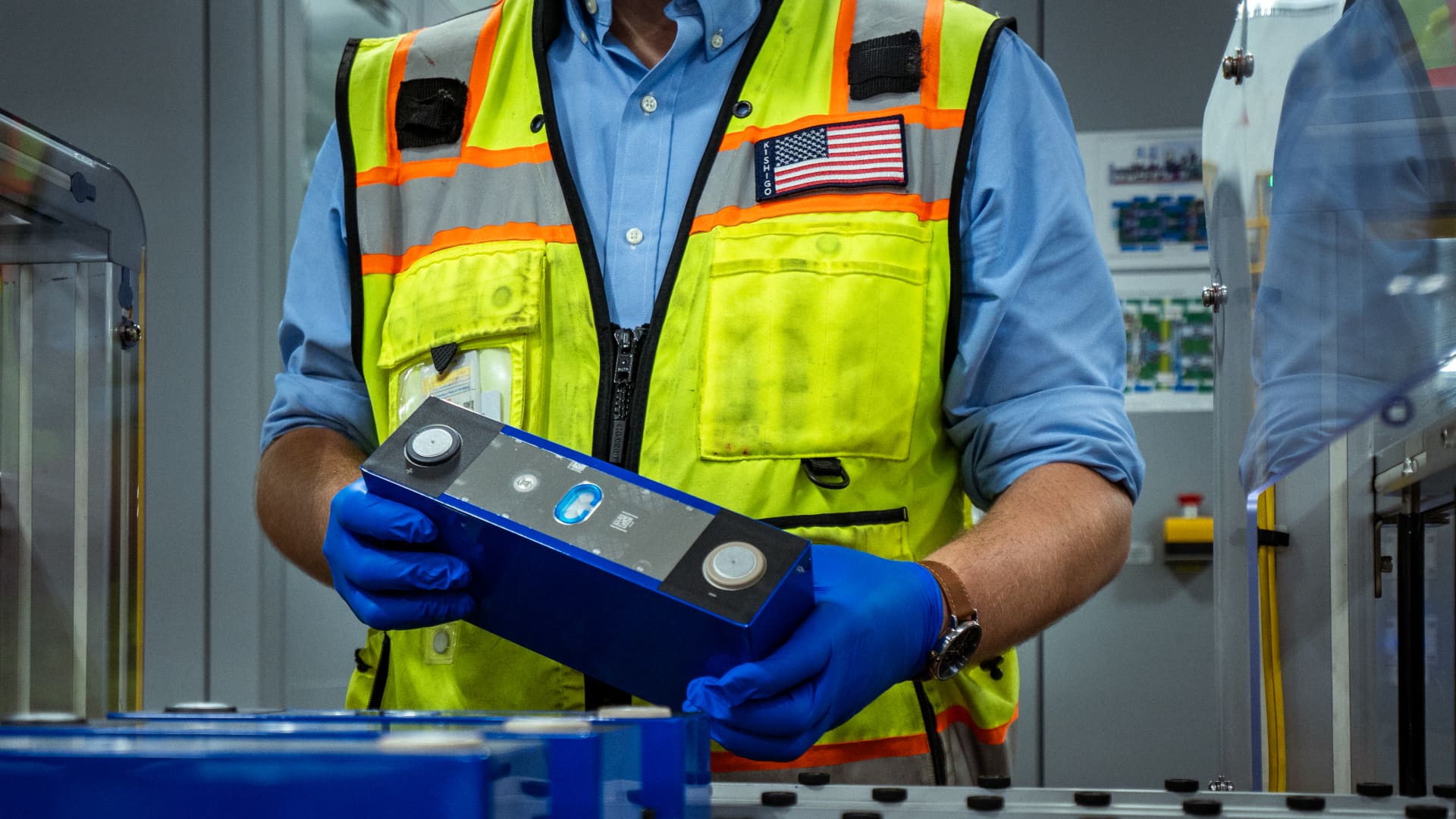
Ford đã bắt đầu sản xuất và vận chuyển pin tại Mỹ cho các xe điện thế hệ tiếp theo, sử dụng công nghệ được cấp phép từ hãng pin khổng lồ Trung Quốc CATL. Động thái này diễn ra trong bối cảnh căng thẳng địa chính trị.Ford has started U.S. production and shipments of battery cells for its next-generation EVs using technologies licensed by Chinese battery giant CATL. This move comes amid geopolitical tensions.
Ford đã bắt đầu sản xuất và vận chuyển pin ngay tại Mỹ cho dòng xe điện thế hệ tiếp theo, nhưng công nghệ lõi lại đến từ giấy phép của CATL — hãng pin khổng lồ của Trung Quốc. Thông điệp chính rất rõ: dù căng thẳng địa chính trị chưa hạ nhiệt, chuỗi cung ứng xe điện của Mỹ vẫn chưa thể tách rời bí quyết pin của Trung Quốc, và Ford chọn cách sản xuất nội địa trên nền công nghệ ngoại để không bị chậm cuộc đua.
Biến động
Pin đã rời khâu công bố để bước vào khâu vận chuyển thực tế tại Mỹ.
Việc chuyển từ kế hoạch sang sản xuất thực tế là thay đổi trạng thái quan trọng nhất. Trước mốc này, hợp tác với CATL chủ yếu được đánh giá qua thông báo và kỳ vọng; nay sản phẩm đã xuất xưởng, rủi ro thực thi giảm một bậc và câu hỏi của thị trường chuyển sang sản lượng, chất lượng và chi phí. Với dòng xe điện thế hệ tiếp theo, khâu pin — yếu tố quyết định giá thành và tầm hoạt động — nay đã có nguồn cung sản xuất ngay tại Mỹ. Tuy nhiên, nguồn chưa công bố nhà máy cụ thể, công suất hay mẫu xe đầu tiên nhận pin, nên chưa thể quy đổi sự kiện này thành doanh số hoặc biên lợi nhuận cụ thể.
Số liệu chính
Những dữ kiện cứng nguồn thực sự nêu được tóm tắt dưới đây. Mốc thời gian đáng chú ý là 18/11/2026, ngày đăng của bài gốc, cho thấy đây là trạng thái vận hành hiện tại, không phải lộ trình dự kiến.
| Hạng mục | Dữ kiện nguồn nêu |
|---|---|
| Trạng thái sản xuất | Đã bắt đầu sản xuất và vận chuyển |
| Nơi sản xuất | Tại Mỹ |
| Đối tác công nghệ | CATL, hãng pin khổng lồ của Trung Quốc |
| Hình thức hợp tác | Sử dụng công nghệ được cấp phép từ CATL |
| Ứng dụng | Pin cho xe điện thế hệ tiếp theo của Ford |
| Công suất, vốn đầu tư, nhà máy cụ thể | Nguồn chưa công bố trong dữ kiện đi kèm |
Ba ô trống cuối bảng mới là phần quyết định giá trị kinh tế của tin này. Trong ngành pin, công suất và vốn đầu tư cho biết dây chuyền có đủ quy mô để hạ giá thành hay chủ yếu mang ý nghĩa biểu tượng. Khi chưa có các con số đó, nhà đầu tư không nên suy ra lợi thế chi phí đã hình thành chỉ từ việc dây chuyền bắt đầu chạy.
Nguyên nhân
Hai áp lực gặp nhau giải thích động thái này. Thứ nhất, CATL là hãng pin khổng lồ của Trung Quốc, nên công nghệ được cấp phép của hãng là lối tắt để Ford có nền tảng đã được thị trường kiểm chứng cho thế hệ xe điện mới, thay vì tự phát triển mọi thứ từ đầu. Thứ hai, đặt sản xuất tại Mỹ giúp Ford nội địa hóa khâu quan trọng nhất của xe điện ngay trong lúc căng thẳng địa chính trị khiến việc phụ thuộc vào hàng nhập khẩu trở nên nhạy cảm. Hình thức cấp phép là điểm cân bằng: Ford nắm khâu sản xuất trong nước, còn CATL cung cấp bí quyết. Nguồn chưa công bố điều khoản tài chính của thỏa thuận cấp phép, vì vậy phần giải thích trên là cách đọc từ cấu trúc giao dịch, không phải cam kết của doanh nghiệp.
Ý nghĩa với nhà đầu tư Việt Nam
Với nhà đầu tư Việt Nam, tác động trực tiếp là hạn chế vì nguồn không nêu nhà máy, đơn hàng hay đối tác nào tại Việt Nam, nhưng tác động gián tiếp lại đáng theo dõi ở ba lớp. Lớp thứ nhất là định giá nhóm cổ phiếu xe điện và pin toàn cầu: thị trường sẽ thưởng cho doanh nghiệp chứng minh được sản xuất thực tế, thay vì chỉ công bố hợp tác. Lớp thứ hai là chuỗi cung ứng châu Á: việc hãng Mỹ vẫn cần công nghệ của hãng Trung Quốc cho thấy năng lực pin của khu vực chưa dễ thay thế, một bối cảnh quan trọng với người đầu tư vào doanh nghiệp linh kiện và vật liệu trong khu vực. Lớp thứ ba là rủi ro chính sách: nếu quan hệ Mỹ - Trung xấu đi, điều khoản cấp phép và chuỗi cung ứng liên quan có thể bị soi xét lại. Bài học thực tế là không nên mua đuổi chỉ vì tin khởi động sản xuất khi chưa có công suất và chi phí cụ thể.
Mốc cần theo dõi tiếp
Mốc quyết định tiếp theo không phải một lễ công bố mới, mà là lần Ford công bố sản lượng thực tế và chi phí pin trên mỗi xe. Trước đó, nhà đầu tư cần lần lượt chờ: thông tin về nhà máy và công suất; mẫu xe điện thế hệ tiếp theo đầu tiên dùng lô pin này; điều khoản và chi phí cấp phép với CATL; phản ứng chính sách tại Mỹ trước một dây chuyền Mỹ dùng công nghệ Trung Quốc; và dấu vết trong báo cáo kết quả kinh doanh tiếp theo, nơi chi phí sản xuất sẽ cho thấy hợp tác này giúp giảm giá thành hay chưa. Nếu các mốc đó không xuất hiện, sự kiện tháng 11/2026 vẫn dừng ở ý nghĩa khởi động. Nếu sản lượng tăng kèm chi phí giảm, đây mới trở thành lợi thế cạnh tranh có thể định giá được.
Ford has begun producing and shipping batteries in the United States for its next-generation electric vehicles, but the core technology comes under licence from CATL — China's battery giant. The main takeaway is clear: even as geopolitical tensions remain high, the U.S. electric-vehicle supply chain still cannot separate itself from Chinese battery know-how, and Ford has chosen domestic production built on foreign technology so it does not fall behind in the race.
The Move
The batteries have moved beyond the announcement stage and into the stage of actual shipment in the United States.
The shift from plan to actual production is the most important change in status. Before this milestone, the partnership with CATL was assessed mainly through announcements and expectations; now that the product has left the line, execution risk has fallen by one notch and the market's questions shift to output, quality and cost. For the next generation of electric vehicles, the battery stage — the factor that determines cost and driving range — now has a supply source produced right in the United States. However, the source does not disclose the specific plant, capacity or the first model to receive the batteries, so this event cannot yet be converted into specific sales or profit margins.
Key Figures
The hard facts the source actually states are summarised below. The notable date is 18/11/2026, the publication date of the original article, showing that this is a current operating status, not a planned roadmap.
| Item | Fact stated by the source |
|---|---|
| Production status | Production and shipping have begun |
| Production location | In the United States |
| Technology partner | CATL, China's battery giant |
| Form of partnership | Use of technology licensed from CATL |
| Application | Batteries for Ford's next-generation electric vehicles |
| Capacity, investment, specific plant | Not disclosed by the source in the accompanying material |
The last blank row in the table is what determines the economic value of this news. In the battery industry, capacity and investment show whether a line is large enough to lower costs or is mainly symbolic. Without those figures, investors should not infer that a cost advantage has already formed merely because a line has started running.
Drivers
Two pressures meeting at once explain this move. First, CATL is China's battery giant, so its licensed technology is a shortcut for Ford to obtain a market-tested platform for its new generation of electric vehicles, instead of developing everything from scratch. Second, placing production in the United States helps Ford localise the most important stage of an electric vehicle at a time when geopolitical tensions make dependence on imports sensitive. The licensing form is the balancing point: Ford controls production at home, while CATL supplies the know-how. The source does not disclose the financial terms of the licensing agreement, so the explanation above is a reading of the deal's structure, not a commitment by the company.
What It Means for Vietnamese Investors
For Vietnamese investors, the direct impact is limited because the source names no plant, order or partner in Vietnam, but the indirect impact is worth tracking at three levels. The first level is the valuation of global electric-vehicle and battery stocks: the market will reward companies that can prove actual production, rather than merely announcing partnerships. The second level is the Asian supply chain: the fact that a U.S. automaker still needs technology from a Chinese company shows that the region's battery capability is not easily replaced, an important context for people investing in component and materials businesses in the region. The third level is policy risk: if U.S.-China relations worsen, the licensing terms and the related supply chain could come under renewed scrutiny. The practical lesson is not to chase the shares merely because of production-start news when there are still no specific capacity and cost figures.
Milestones to Watch Next
The next decisive milestone is not another launch ceremony, but the first time Ford discloses actual output and battery cost per vehicle. Before that, investors need to wait in turn for: information on the plant and capacity; the first next-generation electric model to use this batch of batteries; the licensing terms and costs with CATL; the policy reaction in the United States to a U.S. line using Chinese technology; and traces in the next earnings report, where production costs will show whether this partnership is helping to lower costs or not yet. If those milestones do not appear, the November 2026 event remains only a start-up milestone. If output rises alongside falling costs, this will only then become a competitive advantage that can be valued.
🔗 Nguồn tham chiếuSource: CNBC