Lỗ hổng nghiêm trọng trong thư viện GPGME (CVE-2026-129975): khóa OpenPGP độc hại có thể đánh cắp dữ liệu ứng dụngCritical GPGME library flaw (CVE-2026-129975): a malicious OpenPGP key can steal application data
Mẹo: Dùng Microsoft Edge để nghe giọng đọc tiếng Việt tự nhiên hơn (HoaiMy, NamMinh).Tip: Use Microsoft Edge for more natural Vietnamese read-aloud voices (HoaiMy, NamMinh).
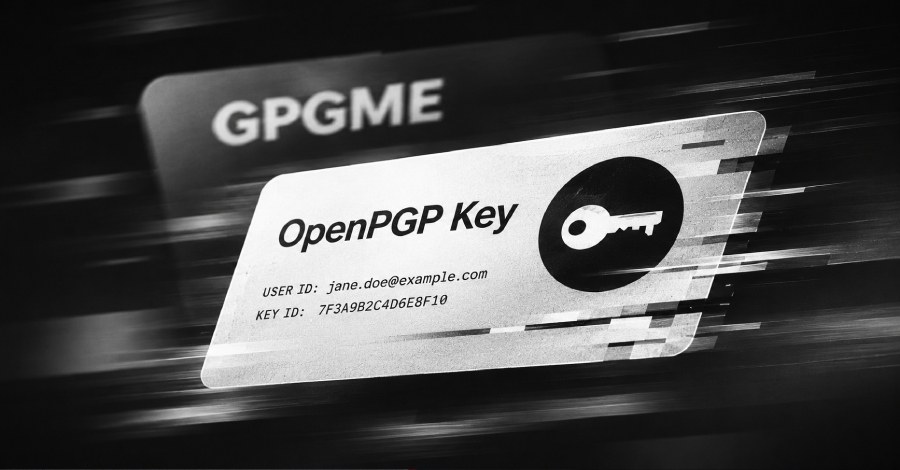
Lỗi double-free nghiêm trọng trong GPGME — thư viện chuẩn giao tiếp với GnuPG: một khóa OpenPGP có user ID dài bất thường có thể đánh cắp dữ liệu của ứng dụng, khả năng thực thi mã từ xa chưa loại trừ. Bản vá: GPGME 2.3.1 / Gpg4win 5.1.2.A critical double-free flaw in GPGME — the standard library for working with GnuPG: an OpenPGP key with an unusually long user ID can steal data from affected applications, and remote code execution has not been ruled out. Fix: GPGME 2.3.1 / Gpg4win 5.1.2.
# Lỗ hổng nghiêm trọng trong thư viện GPGME (CVE-2026-129975): khóa OpenPGP độc hại có thể đánh cắp dữ liệu ứng dụng
Một khóa OpenPGP có user ID dài bất thường là đủ để kích hoạt lỗi bộ nhớ nghiêm trọng trong GPGME — thư viện chuẩn mà các chương trình dùng để làm việc với GnuPG. Dự án GnuPG cảnh báo lỗi này có thể bị lợi dụng để đánh cắp dữ liệu từ ứng dụng bị ảnh hưởng, và khả năng thực thi mã từ xa vẫn chưa loại trừ được.
Diễn biến
| Thời gian | Diễn biến |
|---|---|
| Tuần trước | Nhà nghiên cứu Johan Carlsson phát hiện lỗi; GitLab báo cáo cho dự án GnuPG |
| 20/11 | Dự án GnuPG công bố cảnh báo và bản vá — lịch công bố ban đầu là 25/11 nhưng được dời lên sớm vì lỗi Ruby2Shell buộc phải cập nhật trước |
| Trong tuần này | GPGME 2.3.1 (bản đã vá) được phát hành; lưu ý phiên bản 2.3.0 chưa từng công khai |
| 21/11 | The Hacker News đưa tin; đây là tin bảo mật nổi bật nhất trong ngày |
Cơ chế gây lỗi
Lỗi là double free — cùng một vùng nhớ bị giải phóng hai lần — nằm trong hai hàm read_status() và read_colon_line(), vốn đọc các dòng trạng thái và danh sách khóa trả về từ GnuPG.
Khi dữ liệu đầu vào quá dài, hai hàm này chuyển dữ liệu sang một bộ đệm lớn hơn, nhưng chỉ ghi lại địa chỉ mới nếu toàn bộ quá trình hoàn tất không lỗi. Một lỗi xảy ra giữa chừng khiến con trỏ vẫn trỏ tới vùng nhớ đã giải phóng, và bước dọn dẹp sau đó giải phóng nó lần thứ hai — mở đường cho kẻ tấn công đọc hoặc thao túng bộ nhớ của ứng dụng.
Đường tấn công mà dự án nêu ví dụ là dữ liệu đã ký được gửi tới một ứng dụng — chẳng hạn một khóa OpenPGP độc hại với user ID dài bất thường. Dự án không nói rõ những ứng dụng nào truyền dữ liệu đã ký cho thư viện mà không cần nhập khóa thủ công.
Phạm vi ảnh hưởng
| Đối tượng | Tình trạng |
|---|---|
| Mọi phần mềm dùng GPGME trước 2.3.0 — dù là thư viện dùng chung, DLL trên Windows hay liên kết tĩnh | Ảnh hưởng |
| Hầu hết mail client, nhiều XMPP client, Samba | Ảnh hưởng (theo dự án GnuPG) |
| Gpg4win, GnuPG Desktop, GnuPG VS-Desktop | Ảnh hưởng |
| GPGMEPP và GPGMEQT | Không cần cập nhật |
Với người làm dev, GnuPG là công cụ quen thuộc để ký commit, ký tag và xác thực phần mềm — và GPGME chính là lớp thư viện để các ứng dụng giao tiếp với nó. Điểm đáng chú ý: các bản sao GPGME được nhúng hoặc biên dịch tĩnh vào ứng dụng cũng bị ảnh hưởng, và việc cập nhật thư viện dùng chung của hệ thống không chạm tới được những bản sao này — ứng dụng chứa chúng cần có bản dựng mới của riêng mình.
Dự án chưa ghi nhận tấn công nào khai thác lỗi này ngoài thực tế.
Việc cần làm ngay
📋 Việc cần làm 1. Thư viện dùng chung hoặc DLL: cập nhật lên GPGME 2.3.1 từ trang tải chính thức của dự án GnuPG. 2. Windows: cập nhật Gpg4win lên 5.1.2 — bản này đã kèm thư viện đã vá; ghi chú phát hành gọi vấn đề là nghiêm trọng và yêu cầu cập nhật càng sớm càng tốt. 3. Nhánh cũ không lên được 2.3.1: dùng bản vá kèm trong advisory, hoặc bản 1.24.4 của nhánh legacy — lưu ý dự án không đảm bảo nhánh này sẽ nhận đủ mọi bản vá bảo mật sau này. 4. Ứng dụng nhúng/biên dịch tĩnh GPGME: kiểm tra với nhà cung cấp ứng dụng để lấy bản dựng mới; cập nhật thư viện hệ thống không sửa được các bản sao này. 5. Không có cách khắc phục tạm thời — cập nhật là cách duy nhất theo advisory.
Điều chưa rõ
Dự án chưa xác nhận hay loại trừ khả năng thực thi mã từ xa; chưa có báo cáo về tấn công khai thác ngoài thực tế; và chưa nêu cụ thể những ứng dụng nào truyền dữ liệu đã ký cho thư viện mà không cần nhập khóa thủ công — nên nếu ứng dụng của bạn xử lý khóa hoặc dữ liệu đã ký từ nguồn ngoài, hãy coi như nằm trong diện cần cập nhật.
Nguồn: The Hacker News, 21/11/2026 — https://thehackernews.com/2026/11/gnupg-warns-critical-gpgme-flaw-could.html
#CongNghe #QuocTe #HOT #GPGME #GnuPG #BaoMat
# Critical GPGME library flaw (CVE-2026-129975): a malicious OpenPGP key can steal application data
An OpenPGP key with an unusually long user ID is all it takes to trigger a serious memory flaw in GPGME — the standard library that programs use to work with GnuPG. The GnuPG project warns that the flaw could be exploited to steal data from affected applications, and that remote code execution has not yet been ruled out.
Timeline
| Time | Development |
|---|---|
| Last week | Researcher Johan Carlsson discovered the flaw; GitLab reported it to the GnuPG project |
| 20/11 | The GnuPG project published its advisory and fix — the announcement was originally scheduled for 25/11 but was moved up because the Ruby2Shell flaw had to be updated first |
| This week | GPGME 2.3.1 (the patched release) was published; note that version 2.3.0 was never publicly released |
| 21/11 | The Hacker News reported the story; it is the day's most prominent security news |
How the bug works
The flaw is a double free — the same block of memory being released twice — located in two functions, read_status() and read_colon_line(), which read the status lines and key listings returned from GnuPG.
When the input data is too long, the two functions move the data into a larger buffer, but they record the new address only if the whole process completes without error. An error partway through leaves the pointer aimed at memory that has already been freed, and the cleanup step then frees it a second time — opening a path for an attacker to read or manipulate the application's memory.
The attack path the project gives as an example is signed data sent to an application — for instance, a malicious OpenPGP key with an unusually long user ID. The project does not say which applications pass signed data to the library without a manual key import.
Scope of impact
| Who | Status |
|---|---|
| All software using GPGME before 2.3.0 — whether as a shared library, a Windows DLL or statically linked | Affected |
| Most mail clients, many XMPP clients, Samba | Affected (according to the GnuPG project) |
| Gpg4win, GnuPG Desktop, GnuPG VS-Desktop | Affected |
| GPGMEPP and GPGMEQT | No update needed |
For developers, GnuPG is a familiar tool for signing commits, signing tags and verifying software — and GPGME is exactly the library layer applications use to talk to it. The point worth noting: copies of GPGME embedded or statically compiled into an application are also affected, and updating the system's shared library cannot reach those copies — the application containing them needs a new build of its own.
The project has not recorded any real-world attacks exploiting this flaw.
What to do now
📋 What to do 1. Shared library or DLL: update to GPGME 2.3.1 from the GnuPG project's official download page. 2. Windows: update Gpg4win to 5.1.2 — this release bundles the patched library; its release notes call the issue severe and ask users to update as soon as possible. 3. Older branches that cannot move to 2.3.1: use the patch included in the advisory, or 1.24.4 of the legacy branch — note the project does not guarantee this branch will receive every future security patch. 4. Applications embedding/statically linking GPGME: check with the application's vendor for a new build; updating the system library does not fix these copies. 5. There is no workaround — updating is the only remedy, according to the advisory.
What is still unknown
The project has neither confirmed nor ruled out remote code execution; there are no reports of exploitation in the wild; and it has not specified which applications pass signed data to the library without a manual key import — so if your application processes keys or signed data from external sources, treat it as in scope for the update.
Source: The Hacker News, 21/11/2026 — https://thehackernews.com/2026/11/gnupg-warns-critical-gpgme-flaw-could.html
#CongNghe #QuocTe #HOT #GPGME #GnuPG #BaoMat
Nguồn tham chiếuSource: The Hacker News