Rackspace Spot bị xâm nhập: kẻ lạ đọc được Kubernetes Secrets của khách hàng trong 22 giờRackspace Spot breached: an intruder read customers' Kubernetes Secrets for 22 hours
Mẹo: Dùng Microsoft Edge để nghe giọng đọc tiếng Việt tự nhiên hơn (HoaiMy, NamMinh).Tip: Use Microsoft Edge for more natural Vietnamese read-aloud voices (HoaiMy, NamMinh).
Kẻ tấn công dùng credential bị rò rỉ để vào nền tảng cloud Rackspace Spot, đóng vai người dùng hợp lệ gần một ngày và đọc được Kubernetes Secrets — nơi cất mật khẩu, token và API key của khách hàng. Rackspace đã thu hồi token bị ảnh hưởng và khôi phục dịch vụ, nhưng khách hàng dùng Spot vẫn phải tự xoay toàn bộ credential của mình.An attacker used leaked credentials to enter the Rackspace Spot cloud platform, posing as a legitimate user for nearly a day and reading customers' Kubernetes Secrets — where passwords, tokens and API keys are stored. Rackspace revoked the affected tokens and restored the service, but Spot customers still have to rotate all of their own credentials themselves.
Kẻ tấn công dùng thông tin đăng nhập bị rò rỉ để đi vào nền tảng cloud Rackspace Spot, đóng vai người dùng hợp lệ trong gần một ngày và đọc được các Kubernetes Secrets — nơi cất mật khẩu, token và API key của khách hàng. Rackspace đã thu hồi token bị ảnh hưởng và khôi phục dịch vụ, nhưng khách hàng dùng Spot vẫn phải tự xoay toàn bộ credential của mình, vì phía nền tảng không thể làm thay việc đó.
Diễn biến
- 17/11/2026, khoảng 00:20–22:00 UTC: một bên trái phép dùng credential bị rò rỉ để truy cập một phần nền tảng Rackspace Spot, trong khoảng 22 giờ.
- 18/11: Rackspace biết vụ việc sau khi nhận báo cáo từ một khách hàng và cùng ngày xác nhận tổ chức của khách hàng đó đã bị ảnh hưởng.
- 21/11: BleepingComputer đăng tải nội dung thông báo mà Rackspace gửi cho khách hàng bị ảnh hưởng. Cùng ngày, Rackspace thông báo dịch vụ Spot đã được khôi phục hoàn toàn, sau nhiều lần trì hoãn.
- Rackspace chưa trả lời BleepingComputer về số lượng khách hàng bị ảnh hưởng và liệu dữ liệu khách hàng có thực sự bị lấy cắp hay không.
- Rackspace Spot là nền tảng cloud chạy Kubernetes do Rackspace vận hành cùng Platform9 — đối tác đồng phát triển nền tảng này.
Cơ chế tấn công
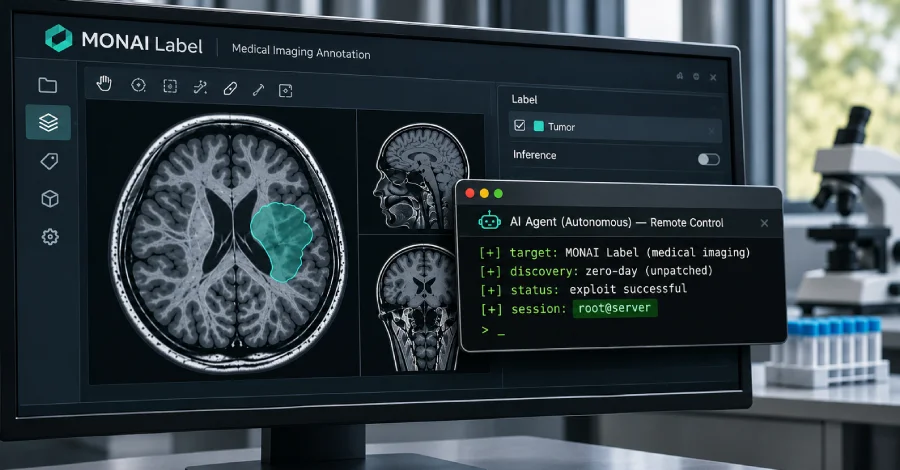
Kẻ tấn công không cần khai thác lỗ hổng phần mềm: chúng dùng credential đã bị rò rỉ từ trước — Rackspace không nói rõ credential của ai và rò rỉ bằng cách nào. Với credential đó, chúng hành động như người dùng hợp lệ trong một số tổ chức khách hàng, từ đó tạo pod trong cụm Kubernetes, đọc Kubernetes Secrets, đồng thời liệt kê node và volume. Kẻ tấn công còn triển khai được workload trái phép ngay trong cụm của khách hàng — tức không chỉ đọc dữ liệu, mà còn chạy pod của chính chúng trên hạ tầng của nạn nhân.
Kubernetes Secrets là nơi ứng dụng cất những giá trị nhạy cảm nhất: mật khẩu, token xác thực, API key để kết nối tới cơ sở dữ liệu, dịch vụ cloud và hệ thống khác. Một Secret bị đọc đồng nghĩa kẻ tấn công có thể có chìa khóa vào mọi hệ thống mà Secret đó mở ra.
Phạm vi ảnh hưởng
- Chỉ một phần khách hàng Spot bị ảnh hưởng, nhưng Rackspace không công bố tổng số tổ chức — khách hàng không nhận được thông báo cũng chưa thể chắc mình an toàn.
- Theo thông báo, kẻ tấn công có thể đã đọc mọi Secret trong cụm của người dùng bị ảnh hưởng, cùng mọi Spot API token và refresh token mà người dùng đó đang giữ.
- Vụ việc còn gây ra sự cố kéo dài ở bảng điều khiển quản trị Spot: khách hàng tạm thời không quản lý được cụm và không xoay được credential có thể đã lộ. Theo đồng sáng lập Platform9 Sirish Raghuram, đội ngũ đã cố tình tắt toàn bộ quyền truy cập để khử trùng môi trường. Chính Raghuram viết trên Reddit: “Tôi biết sẽ có người không đồng ý, nhưng chúng tôi quyết định tắt toàn bộ quyền truy cập và khử trùng toàn bộ môi trường — đó là cách tốt nhất chúng tôi có thể làm để bảo vệ mọi người đang dùng Spot”, và nói đội ngũ “vô cùng thất vọng vì đã để khách hàng thất vọng theo cách này”. Cái giá của quyết định đó là khách hàng bị khóa khỏi bảng điều khiển đúng lúc cần xoay credential nhất.
Rackspace đã làm gì
Rackspace cho biết đã thu hồi các token và phiên bị ảnh hưởng, gỡ bỏ các pod trái phép, xoay key của mình, đồng thời tăng cường kiểm soát truy cập và giám sát. Công ty cũng chia sẻ các dấu hiệu xâm nhập (IoC) để khách hàng tự rà soát:
- Địa chỉ IP: 23.224.79.106
- Dải IP: 23.224.0.0/15
- Tiền tố tên pod và đối tượng Kubernetes đáng ngờ:
i1,glm-,probe
Việc cần làm ngay
Dành cho mọi tổ chức đang dùng Rackspace Spot — đặc biệt là những nơi nhận được thông báo từ Rackspace: 1. Cấp lại Spot API token và thay refresh token đang dùng trong các công cụ tự động (Terraform, CI, script). 2. Tải lại file cấu hình Kubernetes (kubeconfig) mới. 3. Xoay toàn bộ credential đang cất trong Kubernetes Secrets của cụm — coi như chúng đã bị đọc. 4. Rà soát log của cơ sở dữ liệu, container registry, Git, cloud storage và dịch vụ bên thứ ba từ ngày 17/11 trở đi để phát hiện credential bị lạm dụng. 5. Kiểm tra trong cụm còn pod hay đối tượng nào có tên bắt đầu bằngi1,glm-hoặcprobekhông, và kiểm tra log egress có kết nối tới IP 23.224.79.106 không.
An attacker used leaked credentials to get into the Rackspace Spot cloud platform, posing as a legitimate user for nearly a day and reading Kubernetes Secrets — where customers store passwords, tokens and API keys. Rackspace revoked the affected tokens and restored the service, but Spot customers still have to rotate all of their own credentials themselves, because the platform cannot do that for them.
Timeline
- Nov 17, 2026, about 00:20–22:00 UTC: an unauthorized party used leaked credentials to access part of the Rackspace Spot platform, for about 22 hours.
- Nov 18: Rackspace learned of the incident after a report from a customer and the same day confirmed that customer's organization was affected.
- Nov 21: BleepingComputer published the notice Rackspace sent to affected customers. The same day, Rackspace announced the Spot service had been fully restored, after several delays.
- Rackspace has not answered BleepingComputer on how many customers were affected or whether customer data was actually stolen.
- Rackspace Spot is a Kubernetes cloud platform operated by Rackspace together with Platform9 — the partner that co-developed the platform.
Mechanism
The attacker did not need to exploit a software flaw: they used credentials that had leaked earlier — Rackspace does not say whose credentials or how they leaked. With those credentials, they acted as a legitimate user inside some customer organizations, from there creating pods in the Kubernetes cluster, reading Kubernetes Secrets, and listing nodes and volumes. The attackers could also deploy unauthorized workloads inside customer clusters — not just reading data, but running their own pods on the victim's infrastructure.
Kubernetes Secrets are where applications keep their most sensitive values: passwords, authentication tokens, API keys for connecting to databases, cloud services and other systems. A Secret being read means the attacker may hold the keys to every system that Secret opens.
Scope of impact
- Only some Spot customers were affected, but Rackspace has not disclosed the total number of organizations — customers who received no notice cannot yet be sure they are safe.
- According to the notice, the attacker may have read every Secret in affected users' clusters, along with every Spot API token and refresh token those users hold.
- The incident also caused a prolonged outage of the Spot admin console: customers temporarily could not manage their clusters or rotate credentials that may have been exposed. According to Platform9 co-founder Sirish Raghuram, the team deliberately shut off all access to disinfect the environment. Raghuram himself wrote on Reddit: “I know you disagree, but we made the decision that shutting all access down and sanitizing the entire environment is what we can do to best protect everyone using Spot”, adding that the team was “incredibly disappointed to have let you down in this way”. The cost of that decision was that customers were locked out of the console exactly when they most needed to rotate credentials.
What Rackspace did
Rackspace said it revoked the affected tokens and sessions, removed the unauthorized pods, rotated its own keys, and strengthened access controls and monitoring. The company also shared indicators of compromise (IoCs) so customers can check their own environments:
- IP address: 23.224.79.106
- IP range: 23.224.0.0/15
- Suspicious pod and Kubernetes object name prefixes:
i1,glm-,probe
What to do now
For every organization using Rackspace Spot — especially those that received a notice from Rackspace: 1. Reissue your Spot API token and replace the refresh token used in automation tools (Terraform, CI, scripts). 2. Download a fresh Kubernetes configuration file (kubeconfig). 3. Rotate every credential stored in your cluster's Kubernetes Secrets — treat them as already read. 4. Review logs of your databases, container registries, Git, cloud storage and third-party services from Nov 17 onward to detect abused credentials. 5. Check whether any pod or object in the cluster has a name starting withi1,glm-orprobe, and check egress logs for connections to IP 23.224.79.106.
Nguồn tham chiếuSource: BleepingComputer