Tencent mở trọng số Hy4: flagship 770B tham số, cửa sổ 1 triệu token, tải về tự chạy đượcTencent Opens Hy4 Weights: 770B-Parameter Flagship, 1-Million-Token Context, Downloadable to Run Yourself
Mẹo: Dùng Microsoft Edge để nghe giọng đọc tiếng Việt tự nhiên hơn (HoaiMy, NamMinh).Tip: Use Microsoft Edge for more natural Vietnamese read-aloud voices (HoaiMy, NamMinh).
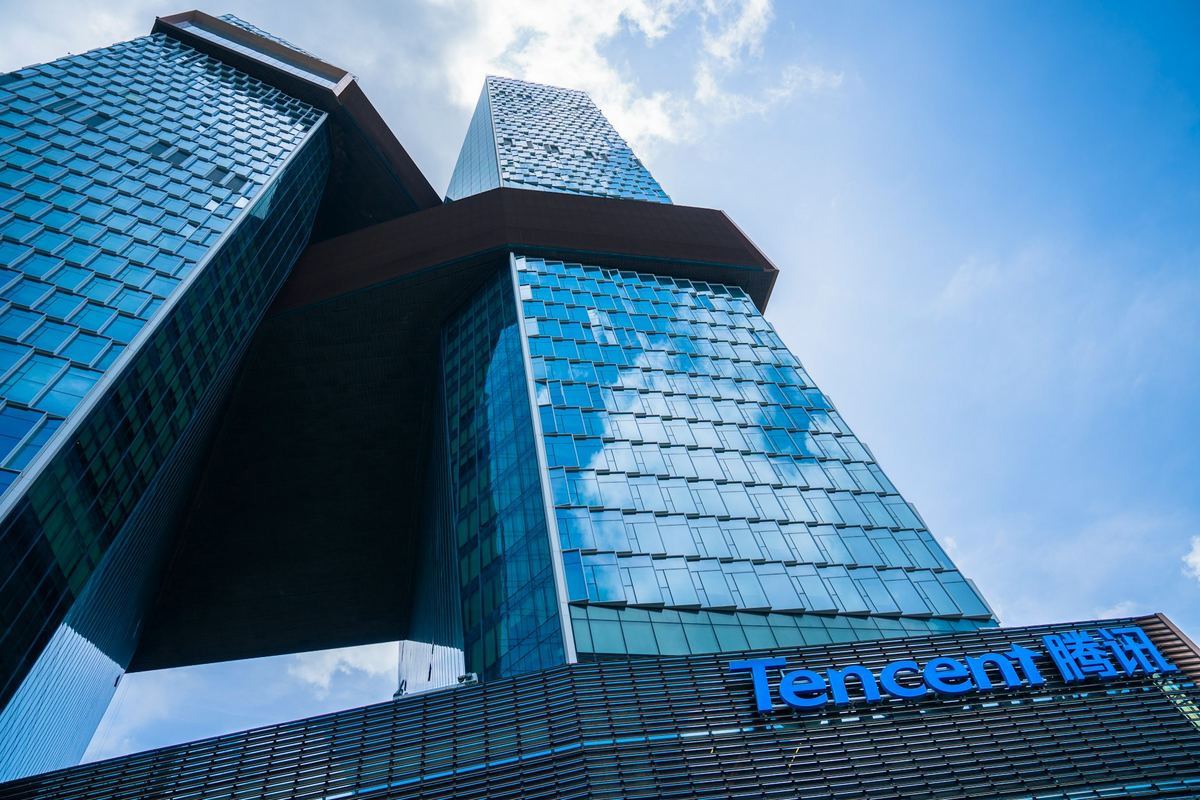
Tencent vừa đăng toàn bộ trọng số của Hy4 — model flagship 770 tỷ tham số của hãng — lên Hugging Face để bất kỳ ai cũng có thể tải về và tự triển khai. Đây là lần đầu một model đa phương thức cỡ này, kèm cửa sổ ngữ cảnh 1 triệu token và khả năng computer use, được mở trọng số đầy đủ; nhưng rào cản phần cứng rất cao và giấy phép đi kèm có một điều khoản thương mại mà đội nào định kinh doanh dịch vụ inference phải đọc kỹ trước khi dùng.Tencent has posted the full weights of Hy4 — its 770-billion-parameter flagship model — on Hugging Face for anyone to download and deploy themselves. It is the first time a multimodal model of this size, with a 1-million-token context window and computer-use ability, has been fully open-weighted; but the hardware bar is very high, and the accompanying license carries a commercial clause that any team planning to sell inference services should read carefully before using it.
Tencent vừa mở toàn bộ trọng số của Hy4, cho phép bất kỳ ai tải model flagship này về tự triển khai thay vì chỉ dùng qua dịch vụ của hãng. Thông điệp cần mang về rất rõ: đây là một model đa phương thức có ngữ cảnh khoảng 1 triệu token và khả năng điều khiển giao diện, nhưng quy mô của nó khiến việc tự chạy trở thành bài toán hạ tầng, không phải một bản tải về thử cho vui. Đội ngũ định thương mại hóa cần đọc kỹ giấy phép trước khi biến Hy4 thành dịch vụ.
Điểm mới
Việc đáng chú ý nhất không nằm ở một tính năng đơn lẻ, mà ở cách phát hành: trọng số được đăng lên Hugging Face để nhà phát triển tải xuống và tự triển khai. Trước đó, Hy4 mới chỉ ra mắt vào ngày 4 tháng 11; đợt mở này mới biến flagship thành tài sản mà cộng đồng có thể kiểm tra, tùy biến và vận hành trên hạ tầng của mình.
Hy4 hiểu văn bản, hình ảnh và video trong cùng một model, thay vì giới hạn ở đầu vào chữ. Cùng với đó là khả năng hỗ trợ quy trình làm việc qua giao diện đồ họa và công cụ dòng lệnh — nhóm năng lực thường được gọi là computer use — để model không chỉ trả lời câu hỏi mà còn tham gia vào chuỗi thao tác trên máy tính. Tencent gắn các khả năng này với phát triển frontend, phát triển game và công việc văn phòng, ba nhóm việc cho thấy hãng nhắm tới tác vụ thực thi nhiều bước chứ không chỉ hội thoại.
Đi kèm trọng số, hãng cung cấp tài liệu triển khai, tài nguyên tinh chỉnh và thẻ đánh giá an toàn. Ba thành phần phụ trợ này quan trọng vì chúng cho thấy đợt phát hành hướng tới người định đưa model vào vận hành thật, không chỉ công bố file để tải về.
Thông số nổi bật
Kiến trúc được công bố là mixture-of-experts (MoE) cho backbone ngôn ngữ. Cách tổ chức này tách tổng quy mô của model khỏi lượng tham số được kích hoạt cho mỗi token — đó là lý do hai con số trong bảng phải được đọc cùng nhau, thay vì chỉ nhìn vào con số lớn hơn.
| Hạng mục | Thông tin đã công bố |
|---|---|
| Tổng tham số của backbone MoE | 770 tỷ |
| Tham số kích hoạt cho mỗi token | 49 tỷ |
| Cửa sổ ngữ cảnh | Khoảng 1 triệu token |
| Đầu vào hỗ trợ | Văn bản, hình ảnh, video |
| Giấy phép | Apache 2.0 |
| Hướng dẫn triển khai đi kèm | vLLM, SGLang |
49 tỷ tham số được kích hoạt cho mỗi token — con số vận hành cần chú ý bên cạnh tổng quy mô của backbone.
Nguồn chưa công bố điểm benchmark chi tiết, yêu cầu phần cứng tối thiểu, dung lượng file trọng số hay tốc độ suy luận trong bài phát hành này. Vì vậy, mọi ước tính về số GPU hay dung lượng bộ nhớ đều chưa có cơ sở từ nguồn; người định thử phải đối chiếu trực tiếp hướng dẫn triển khai của Tencent trước khi lên kế hoạch hạ tầng. Điểm chốt của phần thông số không phải là model nhẹ hay dễ chạy, mà là sự chênh lệch rõ giữa tổng quy mô và phần được kích hoạt theo từng token.
Khác gì bản trước
Tencent nói Hy4 cải thiện so với Hy4 preview ở bốn mảng: làm theo hướng dẫn, hiểu ngữ cảnh dài, tác vụ mở rộng và nghiên cứu. Mỗi mảng lại chỉ tới một phép thử khác nhau khi đánh giá. Làm theo hướng dẫn tốt hơn liên quan đến độ chính xác khi model thực hiện yêu cầu người dùng đặt ra. Hiểu ngữ cảnh dài liên quan đến việc thông tin nằm xa nhau trong một đầu vào dài có còn được dùng đúng hay không. Tác vụ mở rộng và nghiên cứu liên quan đến công việc kéo qua nhiều bước, dùng nhiều chất liệu, thay vì một câu trả lời ngắn duy nhất.
Không có tỷ lệ phần trăm cải thiện nào được nêu cho bất kỳ mảng nào trong bốn mảng trên. Nguồn cũng chưa công bố bảng điểm so sánh với bản preview, nên chưa thể kết luận từ nguồn rằng mức chênh lệch lớn đến đâu, hay Hy4 thắng nhiều nhất ở phép thử nào. Điều có thể ghi nhận lúc này là hướng cải thiện do chính Tencent nêu, không phải một bước nhảy đã được lượng hóa.
Một mốc phân biệt khác là vị trí trong dòng sản phẩm: trước flagship, Tencent đã mở riêng model nhỏ hơn là Hy4 Flash. Đợt này do đó không phải lần mở trọng số đầu tiên của dòng Hy4 nói chung, mà là bước đưa phiên bản flagship — phiên bản lớn nhất được nhắc tới — ra cộng đồng, sau khi bản nhỏ hơn đã đi trước.
Giá và thời điểm dùng được
Trọng số đã được phát hành vào thứ Sáu, theo bài công bố ngày 20 tháng 11 năm 2026, sau lần ra mắt đầu tiên ngày 4 tháng 11. Mốc thời gian này quan trọng vì ngày 4 tháng 11 là điểm model ra mắt, còn đợt này mới là điểm nhà phát triển ngoài Tencent có thể lấy trọng số về và tự triển khai theo hướng dẫn đi kèm.
Về giá, nguồn không nêu phí tải trọng số, giá API hay giá dịch vụ triển khai. Giấy phép Apache 2.0 cho phép sử dụng thương mại và sửa đổi, và đó là cơ sở pháp lý khiến đợt mở này khác với một bản phát hành chỉ dành cho nghiên cứu. Dù vậy, đội nào định cung cấp dịch vụ inference cho khách hàng bên ngoài vẫn cần đọc toàn văn giấy phép đi kèm và kiểm tra từng điều khoản thương mại áp dụng cho cách dùng dự định, thay vì chỉ dựa vào mô tả ngắn trong bài tin.
Chi phí thật của việc tự chạy sẽ nằm ở hạ tầng và vận hành của chính bên triển khai, nhưng nguồn chưa công bố cấu hình tham chiếu để từ đó tính ra một con số chi phí đáng tin. Chừng nào chưa đối chiếu hướng dẫn của chính Tencent, mọi ước tính chi phí vận hành cụ thể đều vẫn là thông tin nguồn chưa công bố.
Ai nên thử
Nhóm hợp nhất là đội nghiên cứu và kỹ sư nền tảng muốn kiểm soát việc triển khai: họ có lý do để tải trọng số, đọc thẻ đánh giá an toàn, thử tài nguyên tinh chỉnh và kiểm chứng khả năng ngữ cảnh dài trên dữ liệu của mình. Nhóm thứ hai là nhà phát triển sản phẩm có tác vụ đa phương thức hoặc cần thao tác qua giao diện và dòng lệnh — ví dụ các luồng frontend, game và văn phòng mà Tencent đã nêu — vì đây là các tình huống phân biệt Hy4 với model chỉ xử lý văn bản.
Ngược lại, cá nhân hoặc đội nhỏ chưa có hạ tầng cho model flagship nên cân nhắc kỹ trước khi bắt đầu. Rào cản phần cứng được đánh giá là rất cao, và nguồn chưa cho con số tối thiểu để chuẩn bị, nên bước thử hợp lý đầu tiên là đọc hướng dẫn vLLM, SGLang và thẻ an toàn, không phải tải toàn bộ trọng số về rồi mới tính toán.
Nói gọn lại, Hy4 đáng thử nhất khi nhu cầu kiểm soát triển khai, ngữ cảnh dài và đầu vào đa phương thức cùng xuất hiện. Nếu chỉ cần trả lời văn bản thông thường, quy mô flagship có thể là chi phí không tương xứng — dù mức chi phí cụ thể vẫn chưa được nguồn công bố.
Tencent has opened the full weights of Hy4, allowing anyone to download its flagship model and deploy it themselves instead of using it only through the company's service. The takeaway is clear: this is a multimodal model with a context window of about 1 million tokens and interface-control abilities, but its scale makes self-hosting an infrastructure problem, not a download to try for fun. Any team planning to commercialise it should read the licence carefully before turning Hy4 into a service.
What's new
The most notable point is not a single feature but the form of the release: the weights have been posted on Hugging Face so developers can download and deploy the model themselves. Hy4 had previously only been launched on 4 November; this opening is what turns the flagship into an asset the community can inspect, customise and run on its own infrastructure.
Hy4 understands text, images and video in the same model, rather than being limited to text input. It also supports workflows through graphical interfaces and command-line tools — the set of abilities often called computer use — so the model does not only answer questions but can also take part in a sequence of operations on a computer. Tencent links these abilities to frontend development, game development and office work, three groups of jobs showing that the company is targeting multi-step execution tasks, not just conversation.
Alongside the weights, the company provides deployment documentation, fine-tuning resources and a safety evaluation card. Those three supporting components matter because they show the release is aimed at people who intend to put the model into real operation, not merely at publishing files for download.
Key specifications
The announced architecture is a mixture-of-experts (MoE) design for the language backbone. That organisation separates the model's total scale from the number of parameters activated for each token — which is why the two figures in the table must be read together, rather than looking only at the larger one.
| Item | Announced information |
|---|---|
| Total parameters of the MoE backbone | 770 billion |
| Parameters activated for each token | 49 billion |
| Context window | About 1 million tokens |
| Supported inputs | Text, images, video |
| Licence | Apache 2.0 |
| Deployment guidance provided for | vLLM, SGLang |
49 billion parameters are activated for each token — the operating figure to watch alongside the backbone's total scale.
The source does not publish detailed benchmark scores, minimum hardware requirements, the file size of the weights or inference speed in this release article. Any estimate of GPU numbers or memory capacity therefore has no basis in the source; anyone planning to try it must check Tencent's deployment instructions directly before planning infrastructure. The point of the specifications is not that the model is light or easy to run, but the clear gap between its total scale and the portion activated per token.
What's different from the previous version
Tencent says Hy4 improves on Hy4 preview in four areas: instruction following, long-context understanding, extended tasks and research. Each area points to a different test when evaluating it. Better instruction following concerns how accurately the model carries out requirements set by the user. Long-context understanding concerns whether information placed far apart in a long input is still used correctly. Extended tasks and research concern work that lasts through many steps and draws on many pieces of material, rather than a single short answer.
No percentage improvement is given for any of those four areas. The source also publishes no comparative score table against the preview version, so it is not yet possible to conclude from the source how large the gap is, or in which test Hy4 gains the most. The claim to record for now is the direction of improvement Tencent itself states, not a quantified leap.
Another distinguishing point is its place in the product line: before the flagship, Tencent had separately opened the smaller Hy4 Flash model. This release is therefore not the first weight opening for the Hy4 line in general, but the step that brings the flagship — the largest version mentioned — to the community, after the smaller version went first.
Price and availability
The weights were released on Friday, in the announcement dated 20 November 2026, after the initial launch on 4 November. That timing matters because 4 November was the model's launch point, while this is the point at which developers outside Tencent can obtain the weights and deploy the model themselves under the accompanying guidance.
On price, the source states no download fee for the weights, no API price and no deployment-service price. The Apache 2.0 licence permits commercial use and modification, which is the legal basis that makes this opening different from a research-only release. Even so, a team planning to provide an inference service to outside customers still needs to read the full accompanying licence text and check each commercial term that applies to its intended use, rather than relying only on the short description in the news article.
The real cost of self-hosting will lie in the operator's own infrastructure and operations, but the source publishes no reference configuration from which a trustworthy cost figure could be calculated. Until Tencent's own guidance is checked, any specific running-cost estimate remains unpublished by the source.
Who should try it
The best fit is research teams and platform engineers who want control over deployment: they have reason to download the weights, read the safety evaluation card, try the fine-tuning resources and test the long-context ability on their own data. A second group is product developers with multimodal tasks or a need to operate through interfaces and the command line — for example the frontend, game and office workflows Tencent names — because those are the situations that distinguish Hy4 from a text-only model.
Conversely, individuals or small teams without infrastructure for a flagship model should think carefully before starting. The hardware barrier is assessed as very high, and the source gives no minimum figure to prepare against, so the sensible first test is to read the vLLM and SGLang guidance and the safety card, not to download all the weights and only then work out the sums.
In short, Hy4 is most worth trying when the needs for deployment control, long context and multimodal input appear together. If the need is only ordinary text answers, the flagship scale may be a disproportionate cost — although the specific cost level has still not been published by the source.
Nguồn tham chiếuSource: TechNode